
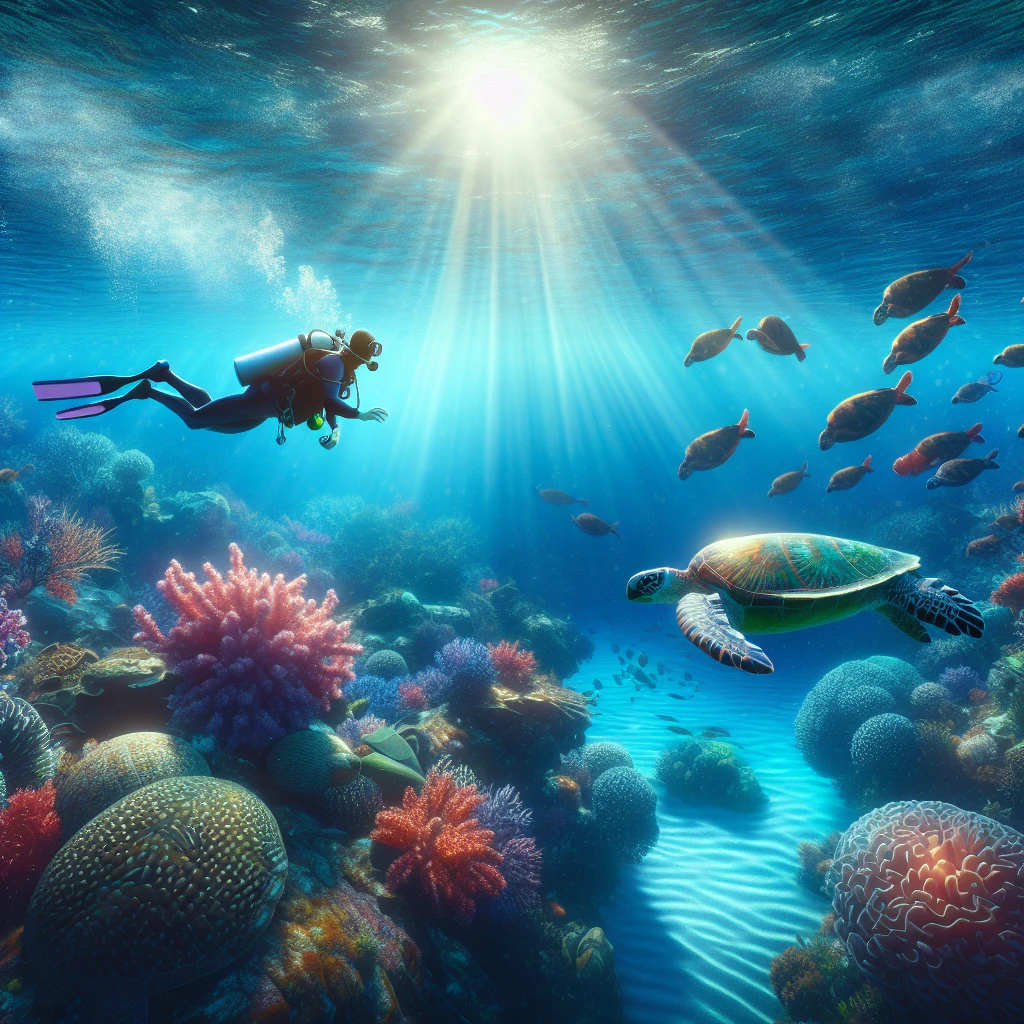
Simon Nellist: A Lasting Legacy of Ocean Advocacy
Have you ever wondered what drives a person to dedicate their entire existence to the deep blue sea? When we talk about Simon Nellist, we are talking about a man whose very heartbeat seemed perfectly synchronized with the rhythm of the ocean tides. He was a deeply passionate British expat, a highly skilled diving instructor, and a fierce advocate for marine conservation whose life was tragically cut short in Sydney, Australia. But reducing his story to a single tragic event completely misses the profound impact he had on everyone around him.
His legacy is built on a foundation of profound respect for the natural world. He understood that when we step into the ocean, we are entering a wild, untamed ecosystem where we are merely guests. I recall speaking with members of the local Sydney diving community recently, and their memories of him are universally filled with warmth. They remember a guy who would patiently guide a nervous beginner through their first submerged breaths, always making sure they understood not just how to breathe underwater, but how to interact with the environment respectfully. He taught people to look at the ocean not as a resource to be exploited, but as a sanctuary to be protected.
To truly grasp the measure of his influence, you have to look at the countless students he certified and the environmental causes he championed. He was particularly vocal against lethal shark mitigation tactics, preferring sustainable, non-harmful strategies. His voice still resonates loudly among conservationists today, reminding us that true harmony with nature requires patience, understanding, and an unwavering commitment to coexistence.
The Core Philosophy of a Master Diver
Simon Nellist approached diving as much more than a recreational hobby; to him, it was a profound way of living. He believed that education was the ultimate tool for environmental preservation. If people could see the stunning biodiversity of the reefs firsthand, they would naturally want to protect them. His core philosophy revolved around the idea of ‘low impact, high awareness’—a methodology that dictates how divers should move, breathe, and exist underwater without disrupting the delicate balance of marine life.
He was a vocal opponent of outdated coastal defense mechanisms, specifically drum lines and shark nets, which notoriously trap and kill untargeted marine life like turtles, dolphins, and harmless rays. He advocated for smarter, technology-driven solutions that protect both beachgoers and marine ecosystems. To understand the debate he cared so much about, look at the comparison of coastal management methods below:
| Mitigation Method | Mechanism of Action | Ecological Impact |
|---|---|---|
| Traditional Shark Nets | Physical mesh barriers placed offshore. | Extremely high bycatch. Traps and kills non-target species. |
| SMART Drumlines | Catch, alert, tag, and release system. | Moderate impact. Allows for data collection and safe relocation. |
| Aerial Drone Surveillance | Real-time visual monitoring from above. | Zero physical impact. Completely non-invasive for marine life. |
The value proposition of shifting toward non-lethal methods is clear. First, it preserves the apex predators that are absolutely vital for maintaining a healthy ocean ecosystem. Without them, the entire food web collapses. Second, it fosters a culture of respect rather than fear among the public. Simon constantly reminded his students of a few non-negotiable principles when interacting with the sea.
- Maintain neutral buoyancy: Never touch, kick, or disturb the coral reefs or the sandy bottom.
- Leave no trace: Whatever you bring into the ocean must come out with you, and you should always pick up any trash you find along the way.
- Respect personal space: Observe wildlife from a safe distance without chasing, harassing, or cornering any marine animals.
Origins of Sydney Surf Life Saving
To fully appreciate the context of ocean safety and the environment Simon worked in, we need to trace the history of Sydney’s relationship with the water. Back in the late 19th and early 20th centuries, swimming in the ocean during daylight hours was actually illegal in Australia. Once those laws were defied and eventually repealed, beach culture exploded. With the massive influx of people entering the water, the need for structured safety protocols became obvious, leading to the birth of the iconic Surf Life Saving movement. These early pioneers relied entirely on physical endurance, wooden rescue boards, and rudimentary line-and-reel systems to pull swimmers out of treacherous rip currents.
Evolution of Shark Mitigation
As beach attendance grew through the 1930s, so did the interactions between humans and marine wildlife. The government’s initial response was purely reactive and heavily reliant on lethal force. Traditional shark nets were installed across dozens of popular beaches. For decades, these nets were considered the gold standard for public safety, despite mounting evidence of their devastating ecological toll. Conservationists spent years fighting against these measures, arguing that indiscriminate killing was not a sustainable or ethical way to manage the coastline. The evolution from fear-based management to science-based management was painfully slow, facing heavy political resistance at every turn.
Modern State of Marine Coexistence
Fast forward to the year 2026, and the landscape of coastal management looks vastly different. The tireless advocacy of people like Simon Nellist has finally pushed local councils to adopt smarter, kinder technologies. We are seeing a rapid phase-out of traditional nets in favor of real-time drone surveillance, AI-powered sonar buoys, and community education programs. The modern approach treats the ocean as a shared habitat. Surfers, divers, and swimmers are far more educated about the risks and responsibilities of entering marine environments, signaling a massive cultural shift from domination to respectful coexistence.
Understanding Apex Predator Behavior
When you spend as much time underwater as Simon did, you begin to see marine predators not as mindless monsters, but as highly intelligent, cautious, and necessary components of the ecosystem. Sharks, for instance, rely on a highly complex array of senses. They use a biological mechanism called electroreception—specifically through organs known as the ampullae of Lorenzini—to detect the minute electrical fields generated by the muscle contractions of their prey. They also have a lateral line system that detects water pressure changes and vibrations from miles away. Scientifically speaking, human beings do not register as a natural food source in their sensory mapping. Most negative interactions are cases of mistaken identity in murky waters or investigative bites, which is a fact widely supported by marine biologists worldwide.
Non-Lethal Surveillance Technology
The push for non-lethal technology has resulted in massive leaps in marine engineering. Instead of blindly netting off sections of the ocean, researchers are deploying sophisticated sensor networks that monitor marine traffic without interfering with it.
- AI Pattern Recognition: Drones equipped with machine learning algorithms can instantly distinguish between a harmless pod of dolphins, a submerged surfer, and an approaching shark.
- Acoustic Tagging: Harmless acoustic tags are attached to the dorsal fins of marine animals. When these animals swim past submerged listening stations, lifeguards receive an instant push notification on their phones.
- Sonar Imaging Systems: High-frequency multibeam sonar can create real-time 3D maps of the water column, identifying large moving objects in poor visibility conditions where drones are ineffective.
- Personal Deterrent Devices: Many divers now wear compact, rechargeable devices on their ankles that emit a localized electromagnetic field, overwhelming the electroreceptors of nearby predators and encouraging them to turn away peacefully.
Step 1: Research the Marine Environment
If you want to honor the legacy of dedicated divers, the absolute best way is to emulate their preparation. Before you even pack your bags, spend time researching the specific beach, reef, or bay you plan to visit. Understand the local tides, the prevailing currents, and the seasonal weather patterns. Know what kind of wildlife frequents the area during that specific time of year. Are it whale migration season? Are there local jellyfish blooms? Knowledge is your primary safety equipment.
Step 2: Choose the Right Gear
Your equipment is your life support system. Never compromise on the quality of your diving gear. Ensure your regulator is serviced annually, your buoyancy control device (BCD) holds air perfectly, and your dive computer has a fresh battery. Moreover, consider using eco-friendly gear, such as neoprene alternatives made from natural rubber, and always use reef-safe sunscreen that does not contain oxybenzone or octinoxate, which bleach and kill corals.
Step 3: Conduct Thorough Pre-Dive Checks
The buddy system is sacred in the diving community. Always perform a comprehensive BWRAF (Buoyancy, Weights, Releases, Air, Final OK) check with your partner before entering the water. Double-check that your air tank is fully open, your weights are securely fastened but easily releasable in an emergency, and all your hoses are neatly tucked away so they don’t drag across the fragile ocean floor.
Step 4: Master Buoyancy Control
Perfect buoyancy is the hallmark of a skilled diver. It allows you to hover weightlessly above the reef, observing marine life without ever disturbing it. Practice breathing techniques to make micro-adjustments to your depth. Remember that every time you crash into the sandy bottom, you are potentially crushing microscopic habitats. Strive for total physical control.
Step 5: Practice Passive Observation
When you encounter wildlife, adopt a posture of passive observation. Do not swim aggressively toward a turtle, ray, or shark. Instead, hover quietly and let the animal dictate the interaction. Often, if you remain calm and still, the animal’s natural curiosity will bring it closer to you. This approach yields the most magical, authentic underwater experiences you can possibly have.
Step 6: Manage Your Air and Limits
Never push your physical or psychological boundaries underwater. Keep a constant eye on your air pressure gauge and plan to end your dive with a generous reserve of air in your tank. Follow your dive computer’s no-decompression limits strictly. If you feel tired, cold, or anxious, communicate with your buddy and safely end the dive. The ocean will always be there tomorrow.
Step 7: Log and Share Your Experience
After you surface, take the time to log your dive. Note the temperature, the visibility, the species you saw, and any trash you removed. Sharing these details with citizen science platforms helps researchers track ocean health. Talk about your experience with friends and family to spread awareness and foster a deeper collective appreciation for marine conservation.
Debunking Ocean Myths
Myth: Sharks are constantly patrolling the beaches looking for humans to attack. Reality: Humans are not on the menu. We are noisy, bony, and completely unfamiliar to them. The vast majority of sharks are timid and will actively swim away from the sound of scuba bubbles long before you even see them.
Myth: Shark nets create an impenetrable barrier that keeps beaches 100% safe. Reality: Shark nets are typically suspended in the middle of the water column. They do not reach the surface, nor do they reach the ocean floor. Marine life easily swims over, under, and around them. They are merely a false sense of security that exacts a terrible toll on local biodiversity.
Myth: Ocean conditions remain mostly the same throughout the day. Reality: The ocean is wildly dynamic. A perfectly calm beach at 8:00 AM can turn into a churning, dangerous mess of rip currents by noon due to shifting winds and tidal changes. You must constantly assess the water.
Myth: Only deep-water diving requires formal certification and training. Reality: Even shallow-water snorkeling can be highly dangerous if you do not understand local currents, boat traffic, and weather patterns. Proper education is essential regardless of depth.
What was Simon Nellist’s main profession?
He was a highly respected and experienced scuba diving instructor who dedicated his life to teaching others how to safely and respectfully interact with the marine environment.
Where did he conduct most of his diving?
He was based in Sydney, Australia, and spent countless hours exploring the local temperate reefs, bays, and offshore dive sites that line the New South Wales coast.
Why did he oppose shark nets?
He opposed them because they are an outdated, indiscriminate method of culling. They trap thousands of non-target animals like dolphins, turtles, and harmless rays, severely damaging the local ecosystem.
What alternatives did he advocate for?
He strongly supported the implementation of non-lethal technologies, such as SMART drumlines, extensive aerial drone surveillance, and increased public education regarding ocean behavior.
How can regular people support his vision?
You can support his vision by choosing sustainable seafood, minimizing single-use plastics, supporting ocean conservation charities, and educating yourself before entering the water.
Are the waters around Sydney safe for diving?
Yes, statistically speaking, diving remains an incredibly safe sport when proper protocols are followed. Millions of people safely enjoy the ocean every single year by respecting the environment and understanding the natural risks.
How does the diving community remember him today?
The community remembers him as a deeply compassionate, highly skilled professional who loved the ocean more than anything. His memory continues to inspire new generations of divers to become active protectors of the sea.
The story of Simon Nellist is a powerful reminder of our profound connection to the natural world. He lived his life with a singular, beautiful purpose: to explore, understand, and protect the delicate marine ecosystems that give life to our planet. We honor his memory not by fearing the ocean, but by actively working to protect it. It is up to each of us to carry his torch forward. Next time you stand on the shore, look out at the horizon, take a deep breath, and commit to being a guardian of the sea. Join a local beach cleanup, get your diving certification, and become the advocate the ocean so desperately needs.