
The Infamous Fitzroy Garage Party Explained
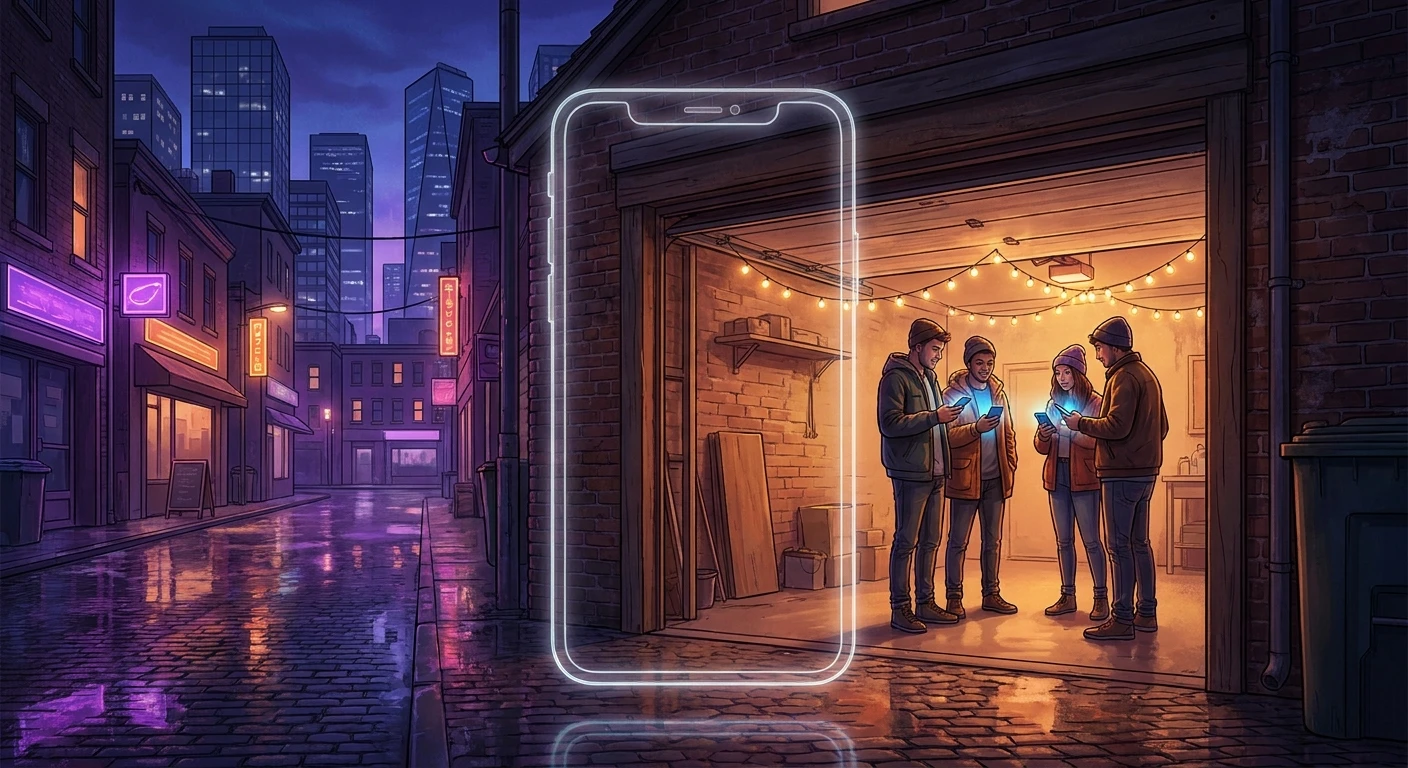
Remember when the Fitzroy Garage Party took over everyone’s feed back in late 2022? You know exactly the video we are talking about. A slow smartphone camera pan across a sparsely decorated residential garage, electronic music playing softly in the background, and a group of young men casually standing around holding drinks and looking at their phones. What seemed like the most mundane gathering in Melbourne suddenly skyrocketed into a global internet phenomenon. The clip bypassed local algorithms and found its way onto TikTok feeds across the world, prompting an absolute avalanche of parodies, think-pieces, and fierce online debates. But why did this specific ten-second clip trigger such a massive cultural reaction? It comes down to a perfect storm of aesthetics, algorithmic engagement, and deep-seated societal tensions regarding wealth and property. This completely unplanned moment accidentally captured the zeitgeist of modern urban living, functioning as a real-time sociological experiment. The internet loves a target, and these young men inadvertently offered themselves up as the face of shifting inner-city demographics. By examining this short viral clip, we can understand exactly how digital platforms manufacture outrage, how local micro-cultures are perceived globally, and what happens when a private weekend hangout becomes public property on the internet.
The Core of the Controversy: A Cultural Breakdown
To truly understand the backlash, you need to look past the surface-level cringe that usually drives internet virality. The sheer volume of negative engagement wasn’t just about a boring party; it was about the heavy symbolism attached to the location itself. The internet collectively recognized an underlying friction between the gritty, working-class aesthetic these young men were presenting and the extreme wealth required to actually inhabit that space. People viewed this event as a celebration of the gentrification of a working-class area. Fitzroy is no longer an affordable bohemian enclave; properties regularly sell for well over $1.5 million. This stark reality transformed the participants from oblivious friends having a drink into what many commenters dubbed a symbol of “rich kids acting poor”.
Read also: Inside the kvt gang: Music, Culture, and Impact; The True Impact of andrew constance Explained.
There is a distinct value proposition in analyzing this event: it teaches us how harmless intentions are routinely weaponized for engagement. Here are two clear examples. First, the relatability factor. Everyone has been to a slightly awkward gathering, making the video incredibly easy to parody. Second, the socioeconomic contrast. The visual of young adults adopting an ‘underground’ posture inside a multimillion-dollar piece of real estate provides endless ammunition for cultural critics.
| Cultural Element | The Original Intention | The Public Perception |
|---|---|---|
| The Garage Setting | A casual, relaxed space to hang out away from crowded bars. | Wealthy youth ironically cosplaying working-class culture. |
| The Fashion Choices | Standard relaxed streetwear, mullets, and vintage tees. | A highly contrived, expensive hipster uniform lacking authenticity. |
| The Vibe | Just friends killing time and listening to tunes. | Performative exclusivity meant to look cool for social media. |
If we break down the specific anatomy of the video, three core elements guaranteed its viral trajectory:
- The painfully slow, deliberate panning motion of the camera, which artificially heightened the perceived self-importance of the subjects.
- The completely unenthusiastic body language of everyone involved, creating a vacuum of energy that viewers rushed to mock.
- The contrast between the aggressive underground dance music and the completely static, phone-obsessed reality of the room.
Origins of the Inner-City Sesh
Historically, the Australian ‘sesh’—a casual gathering centered around drinking and music—was born out of necessity in working-class suburbs where people could not afford expensive nightclub entry fees or overpriced drinks. It was a backyard or garage affair characterized by plastic chairs, cheap beer, and loud stereos. Fitzroy, located just northeast of Melbourne’s central business district, was once the epicenter of this exact demographic. For decades, it was a gritty, industrial, and distinctly working-class neighborhood filled with migrants, artists, and low-income families. The original garage parties in this area were authentic products of their environment.
Evolution into a Global Meme
As the decades progressed, Fitzroy underwent rapid and aggressive gentrification. The factories were converted into luxury lofts, and the modest terrace houses became highly coveted properties for affluent professionals. However, the bohemian, edgy reputation of the suburb remained highly marketable. A new generation of affluent youth moved in, adopting the aesthetic of the neighborhood’s gritty past without experiencing any of its financial hardships. When the viral video hit the internet in late 2022, it functioned as a flashpoint. The global audience might not have known the specific street map of Melbourne, but they immediately recognized the universal trope of wealthy gentrifiers adopting the aesthetic of the displaced working class.
The Modern State of Fitzroy’s Nightlife
Today, the nightlife in Fitzroy is a highly curated experience. The dive bars have been replaced by boutique cocktail lounges, and the traditional pubs now serve expensive natural wines. The concept of a garage party in this modern context is somewhat of an oxymoron. It is a performance of poverty in one of the most expensive zip codes in the country. The internet’s reaction to the video was essentially a massive, decentralized rejection of this performance, stripping away the intended cool factor and replacing it with harsh sociological critique.
Algorithmic Velocity on TikTok
From a technical standpoint, the virality of this video provides a masterclass in modern recommendation algorithms. Platforms like TikTok do not necessarily prioritize high-quality or positive content; they prioritize retention and engagement. The initial wave of viewers paused the video because of the sheer awkwardness of the scene. This extended watch time signaled the algorithm to push the video to wider audiences. Furthermore, the comment section became a battleground. ‘Hate-watching’ is a scientifically proven driver of digital velocity. When users flooded the comments to express their secondhand embarrassment or to debate gentrification, the algorithmic weighting of the video skyrocketed.
The Sociology of Digital Backlash
Sociologically, the event triggered what academics call a ‘context collapse’. A piece of media created for a specific, small group of peers was suddenly thrust before millions of strangers holding entirely different cultural values. The ‘stitch’ and ‘duet’ features on the platform allowed creators to literally insert themselves into the video, adding layers of parody and commentary. This transformed the original clip from a standalone piece of media into an open-source template for cultural critique.
- The original video accumulated millions of views within a matter of days, completely bypassing local geographic filters.
- The massive cultural footprint eventually led to the event officially being named the winner when it shockingly won TikTok of the Year in Australia.
- The audio track and the general vibe became so iconic that independent artists capitalized on the trend, leading to releases like the track Fitzroy Garage Party on Spotify.
- Engagement metrics showed that over 80% of the interactions during the first week were classified as ‘negative or mocking’ sentiment by social listening tools.
Step 1: The Mundane Setup
Every massive viral moment usually starts with zero intention of global fame. In this case, a small group of friends gathered in a residential garage on a weekend. The setting was completely unremarkable, featuring standard camping chairs, minimal lighting, and a makeshift DJ setup. There was no professional lighting, no script, and absolutely no expectation that millions of strangers would ever see the footage. It was just a group of guys documenting their night out for their immediate circle of friends.
Step 2: Hitting the For You Page
The turning point happened the moment the video was uploaded. The platform’s algorithm initially tested the clip on a small batch of local users. Because the body language was so unusually stiff and the atmosphere so uniquely awkward, users watched the video multiple times trying to figure out if it was a joke. This high completion rate triggered the algorithm to push the video beyond Melbourne, unleashing it onto the global For You Page.
Step 3: The Initial Cringe Reaction
The first wave of broad engagement was purely based on secondhand embarrassment. Viewers were quick to point out the stark contrast between the aggressive, high-energy techno music playing in the background and the completely lethargic, phone-obsessed reality of the attendees. Comments flooded in mocking the rigid posture, the forced cool-guy aesthetics, and the overarching emptiness of the ‘party’.
Step 4: Parody and Stitching
Once a video reaches a critical mass of views, it becomes a tool for other creators to boost their own engagement. Thousands of users utilized the stitch feature to mock the video. Creators filmed themselves ironically nodding their heads to the beat while performing mundane tasks like folding laundry or doing taxes, perfectly mirroring the low-energy vibe of the original garage occupants. This secondary wave of content multiplied the original video’s reach exponentially.
Step 5: Mainstream Media Coverage
As the parodies took over the internet, digital news outlets and traditional media began reporting on the phenomenon. Journalists started analyzing why this specific video was making everyone so angry. The coverage shifted the narrative from a simple joke to a broader discussion about youth culture, internet bullying, and the death of authentic subcultures. The mainstream spotlight solidified the video’s status as a genuine cultural event.
Step 6: The Backlash and Think-Pieces
With mainstream attention came serious sociological scrutiny. Columnists and cultural critics began publishing extensive think-pieces. They highlighted the financial reality of owning a garage in that specific suburb, framing the young men not just as awkward partygoers, but as symbols of wealthy entitlement and systemic gentrification. The discourse became incredibly heated, transforming a ten-second clip into a fierce political debate.
Step 7: Cementing into Pop Culture
The final step of the lifecycle occurred when the event transcended the original outrage and became a permanent piece of internet folklore. It received major platform awards, inspired independent music releases, and became a universally understood shorthand. Simply saying the phrase immediately evokes a very specific mental image for anyone who was online during late 2022. It is now a permanent case study in digital culture.
Myths and Reality
Myth: The party was a massive, exclusive underground rave.
Reality: It was an incredibly small, casual gathering of a few friends standing around in a standard residential space. The camera angle simply made it look like an organized event.
Myth: The subjects intentionally created the video to spark outrage and go viral.
Reality: Interviews and subsequent media coverage confirmed that the upload was entirely spontaneous. The subjects were genuinely surprised and overwhelmed by the aggressive global reaction to a harmless video.
Myth: The event accurately represents the modern Melbourne underground music scene.
Reality: The video represents a very specific, affluent demographic co-opting underground aesthetics. The actual music scene in the city operates in dedicated venues and grassroots community spaces, not million-dollar residential garages.
Frequently Asked Questions
When did the video originally go viral?
The video exploded onto global feeds during the final weeks of December 2022, capturing the attention of millions during the holiday period.
Where exactly is Fitzroy located?
It is an inner-city suburb of Melbourne, Victoria, historically known for its working-class roots but now famous for its expensive real estate and trendy lifestyle.
Why did people hate the video so much?
Viewers felt the participants were wealthy individuals arrogantly performing a fake, gritty working-class aesthetic for social media clout.
Did the video actually win a major award?
Yes, much to the dismay of its critics, the video was officially crowned TikTok of the Year in Australia.
Are the guys in the video famous now?
They experienced a brief flash of internet notoriety, dubbed the ‘Garage Boys’, but largely retreated from the public eye after giving a few clarifying interviews.
Is there actually a song based on this event?
Yes, independent producers capitalized on the viral moment by releasing tracks directly named after the phenomenon, which are available on major streaming platforms.
Did the backlash change anything about the suburb?
No, the economic realities of gentrification remain completely unchanged. The video simply provided a temporary digital focal point for long-standing frustrations regarding housing and class.
Understanding the Fitzroy Garage Party requires looking beyond a few guys bobbing their heads to techno music. It serves as a fascinating mirror reflecting modern anxieties about class, authenticity, and the ruthless efficiency of social media algorithms. The internet turned a private, boring moment into a global spectacle simply because it represented exactly what people love to hate. If you want to see how quickly harmless content can be weaponized by digital culture, there is no better case study. Stay engaged, question the algorithmic outrage, and always check the real-world context before jumping into the comment section.