Who Exactly is Willem Powerfish?
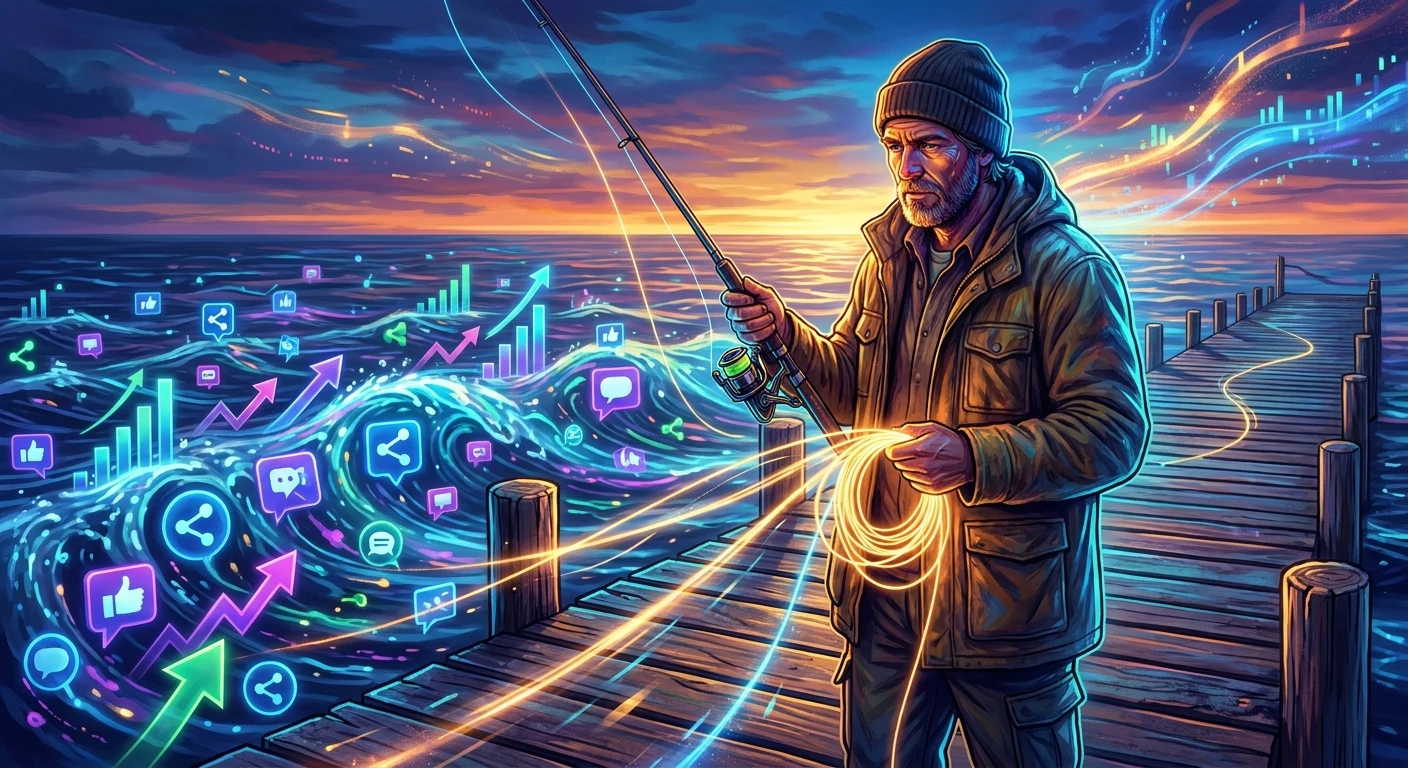
If you have ever spent time scrolling through the unpredictable frontiers of Australian social media, you have almost certainly encountered the chaotic and entirely unfiltered energy of Willem Powerfish. Operating out of the Gold Coast and Tweed Heads region, this online persona—created by Willem Ungermann—has become one of the most polarizing and fiercely debated figures in modern internet culture. At first glance, the channel appears to be a rapid-fire collection of extreme pranks, reckless aquatic stunts, and loud, unapologetic humor. Yet, looking past the surface reveals a highly calculated brand that merges shock value with genuine philanthropy, specifically focused on mental health awareness.
You see, the internet loves a spectacle, and Willem Powerfish delivers exactly that. By tapping into a raw, working-class Australian archetype, the creator managed to capture millions of views, building an audience that feels more like a dedicated cult following than passive subscribers. The videos often feature aggressive physical comedy, loud confrontations, and an almost absurd dedication to the bit. However, the thesis here is simple: behind the apparent madness of launching a vehicle into a boat ramp or crashing a jet ski into a quiet creek, there operates a finely tuned machine of digital marketing, merchandising, and community building. The sheer scale of his reach demonstrates how controversial entertainment can be wielded to fund massive charitable donations, forcing audiences to question where the line between public nuisance and local hero truly lies.
Read also: Discover Exactly How Old Is Deja Clark Right Now; The Rise of jessika power: From TV Screen to Digital Empire.
The Dual Nature of the Powerfish Brand
To truly understand the impact of this channel, you have to look at the mechanics of how the content functions. The core offering of Willem Powerfish operates on a strict duality: the undeniable harm or disruption caused by the stunts, balanced directly against the massive community benefits funded by the resulting viewership. When a creator deliberately breaks social norms—and sometimes local laws—they generate instantaneous algorithmic heat. Outrage and shock are the most reliable fuels for engagement. But what keeps the audience around long-term is the authenticity of the value proposition. For Willem, that value proposition is a mixture of raw entertainment, a rejection of polished corporate content, and a visible commitment to supporting individuals struggling with depression and anxiety.
Consider how this operates in a practical sense. The creator sells vast amounts of merchandise, colloquially known as “Anti-Bad Vibe Shield” apparel. The profits from these sales are frequently redirected into massive, undocumented cash handouts to strangers, donations to local mental health charities, and community events. This creates a powerful feedback loop for the viewer.
| Content Strategy Pillar | Audience Reaction & Engagement | Underlying Purpose & Impact |
|---|---|---|
| Extreme Public Pranks | Shock, viral sharing, and immediate debate | Massive algorithmic growth and visibility |
| Local Fishing Expertise | Respect from the niche outdoor community | Establishing authentic, relatable authority |
| Aggressive Philanthropy | Deep loyalty and defensive fandom | Funding mental health awareness programs |
The success of this model relies on several crucial elements. If you are analyzing why this specific creator broke through the noise while thousands of other prank channels failed, you can point directly to these foundational rules:
- Unapologetic Authenticity: The persona never breaks character. The rough, unfiltered language and aesthetic perfectly match the targeted demographic, making the content feel incredibly genuine rather than staged for a studio audience.
- High-Stakes Escalation: The stunts constantly increased in risk and cost, moving from simple verbal gags to full-scale destruction of property, ensuring the audience never grew bored.
- Tangible Givebacks: By showing raw, unedited footage of handing thousands of dollars to struggling locals, the creator effectively weaponized goodwill, making it incredibly difficult for critics to cancel the channel without looking unsympathetic to the charity work.
History and Origins
The Origins of the Powerfish Persona
The character of Willem Powerfish did not materialize overnight as a fully formed viral sensation. The early days of the channel were heavily rooted in traditional, albeit rough-around-the-edges, fishing content. Operating in the waterways of South East Queensland and Northern New South Wales, the initial videos focused on catching flathead, navigating muddy estuaries, and engaging in classic banter with local mates. The humor was crude but localized, resonating strongly with young Australian men who felt alienated by the highly polished, sponsor-friendly fishing shows dominating mainstream television. It was during this period that the core catchphrases and the distinctive, loud-mouthed persona began to take shape, serving as a raw reflection of everyday working-class culture.
Evolution into Mainstream Virality
As the subscriber count grew, so did the necessity for greater spectacle. The algorithm rewards retention, and retention demands escalation. Willem Powerfish evolved from a niche fishing channel into a hybrid stunt-and-prank operation. This era was defined by purchasing cheap, rundown boats, jet skis, and cars, and subjecting them to absurd abuse. The pivotal moment of virality occurred when the stunts crossed the line from private mischief to public spectacle. Launching a Ford Falcon off a boat ramp into a river became the defining image of this era. The footage was inescapable, shared across global platforms, and instantly cemented the channel’s status as a heavyweight in the outrage-economy. The viewership skyrocketed, bringing in millions of unique viewers who had zero interest in fishing, but a massive appetite for chaos.
The Modern State of His Channel
The modern era of the brand is defined by the fallout and the subsequent pivot. You simply cannot sink a car in a public waterway without attracting the full force of environmental authorities and local police. The resulting legal battles, hefty fines, and community service mandates forced a necessary evolution. Today, the channel operates with a heightened awareness of legal boundaries. While the edgy humor remains intact, the focus has heavily shifted toward the merchandising empire and the mental health advocacy that the community built. The creator continues to organize massive charity drives, sponsor local events, and maintain the persona, but the raw destruction of the middle era has been replaced by a more sustainable, calculated form of entertainment.
The Algorithmic and Environmental Deep Dive
The Mechanics of Outrage Virality
Understanding the rise of Willem Powerfish requires a technical look at how digital platforms distribute content. Social media platforms utilize machine learning algorithms optimized for a single metric: watch time. When a video features a high-stress, high-risk situation—like a vehicle teetering on the edge of a boat ramp—the human brain’s threat-detection systems are activated. This physiological response ensures the viewer cannot look away until the tension is resolved. The algorithm registers this lack of scrolling as intense interest and instantly pushes the video to broader, untested demographics. Furthermore, controversial stunts generate a high volume of comments. Whether these comments are supportive or intensely critical is irrelevant to the code; engagement is simply counted as interaction, forcing the video higher up the trending pages.
Environmental Impact of Aquatic Stunts
While the algorithmic science explains the growth, the environmental science explains the legal backlash. Authorities did not pursue the channel merely for the act of public nuisance; they were responding to the acute ecological threat posed by submerging motorized vehicles in local estuaries. When a car or boat is intentionally sunk, the surrounding ecosystem faces immediate hazards. The technical breakdown of these contaminants is severe:
- Petrochemical Leakage: Submerged engines immediately release motor oil, transmission fluid, and unleaded petrol, creating anoxic slicks that suffocate surface-breathing aquatic life.
- Battery Acid Corrosives: Lead-acid car batteries rupture under water pressure, leaking sulfuric acid that drastically alters the local pH levels, killing sensitive marine flora.
- Heavy Metal Contamination: Rust and degradation of the vehicle chassis introduce iron, zinc, and copper into the sediment, poisoning bottom-feeding organisms and disrupting the food chain.
- Physical Habitat Destruction: The sheer weight of a vehicle crushes benthic habitats, destroying the breeding grounds for the exact fish species the channel originally championed.
7 Steps to Building a Viral Persona Like Willem Powerfish
Step 1: Identify a Fervent Niche Subculture
The foundational step is anchoring yourself in a specific, passionate community before attempting mainstream appeal. In this case, it was the Australian recreational fishing community. By speaking their exact language and demonstrating genuine skill with a rod and reel, the creator secured a bulletproof base of loyalists who would defend the channel as it expanded.
Step 2: Push the Boundaries of Convention
Once the base is secured, the content must radically differentiate itself from competitors. You must identify what the polite, sponsored creators in your niche are terrified to do, and then execute exactly that. The strategy requires entirely ignoring conventional PR advice and leaning heavily into raw, abrasive authenticity.
Step 3: Integrate Catchphrases and Branding
A viral channel must possess a unique lexicon. Viewers need words and phrases they can repeat in their own lives. By establishing aggressive, memorable catchphrases, the creator essentially turns his audience into a walking billboard, ensuring the brand extends far beyond the digital screen.
Step 4: Monetize Through Lifestyle Apparel
Relying on ad revenue is a fatal mistake for controversial creators, as platforms will inevitably demonetize edgy content. The solution is building an independent merchandising apparatus. The apparel must represent a lifestyle and a club, rather than just being a shirt with a logo. It becomes a badge of honor for the audience.
Step 5: Anchor Madness with a Core Cause
Pure destruction has a short shelf life before the audience burns out or authorities shut it down. The absolute masterstroke of this blueprint is attaching the chaotic energy to a noble cause. By heavily funding mental health initiatives, the channel creates an impenetrable moral shield against mainstream media criticism.
Step 6: Navigate the Legal and PR Fallout
If you execute this playbook correctly, you will face legal consequences. The key is how you handle the fallout. Transparently documenting the court cases, the fines, and the apologies integrates the legal trouble into the ongoing narrative of the channel, turning a potential career-ending event into highly engaging reality television.
Step 7: Pivot and Sustain Relevance
The final step is recognizing when the shock-value era must end. A successful creator matures alongside their audience. Shifting the focus from illegal stunts to massive legal giveaways, sponsored events, and high-production legitimate entertainment ensures the brand outlives its initial controversial spark.
Myths and Reality
Myth: The channel is entirely based on mindless vandalism and zero actual skill.
Reality: Behind the chaotic persona, the creator is a highly experienced angler with deep knowledge of local waterways, tides, and fishing techniques, which originally earned him his core audience.
Myth: The charitable donations are just a recent PR stunt to avoid jail time.
Reality: The commitment to mental health awareness and giving away large sums of cash to strangers began long before the most serious legal troubles, serving as a foundational element of his brand from the early days.
Myth: Anyone can copy this exact formula and achieve the same overnight success.
Reality: The unique blend of charisma, financial risk, and willingness to face genuine criminal records creates an incredibly high barrier to entry that most copycats simply cannot survive.
Frequently Asked Questions
What is Willem Powerfish’s real name?
His real name is Willem Ungermann, an Australian content creator who built the viral persona from the ground up.
Where is the channel primarily based?
The majority of the content is filmed around the Gold Coast and Tweed Heads region in Australia, utilizing the local rivers and boat ramps.
Why did he intentionally sink a car?
The stunt was designed purely for algorithmic virality and shock value, aiming to break the internet by doing something completely unprecedented on a local boat ramp.
Did he face legal trouble for his stunts?
Yes, he faced significant legal action, including heavy environmental fines, court appearances, and community service mandates for the illegal dumping of vehicles.
What is his core mental health message?
He actively promotes speaking up about depression and anxiety, urging his male-dominated audience to check on their mates and break the stigma around mental struggles.
How does the channel make money if videos get demonetized?
The primary revenue stream is a massive, highly successful merchandise line that sells out rapidly, bypassing traditional platform ad revenue.
Is the content staged or fake?
While the persona is an exaggerated character, the stunts, the fines, and the massive cash giveaways are thoroughly real and legally documented.
Is he still making videos today?
Yes, the channel continues to operate, though the content has shifted away from illegal environmental stunts toward safer, yet still highly energetic, entertainment and philanthropy.
The cultural footprint of Willem Powerfish proves that the modern digital landscape rewards the bold, the chaotic, and the deeply authentic. He operates as a modern-day court jester—breaking the rules to entertain the masses, while simultaneously playing the role of a community Robin Hood. Whether you view him as a public menace or an internet legend, his blueprint for digital dominance is undeniable. If you found this breakdown fascinating, share it with a mate who follows internet culture, and keep watching the ever-changing tides of viral media.