
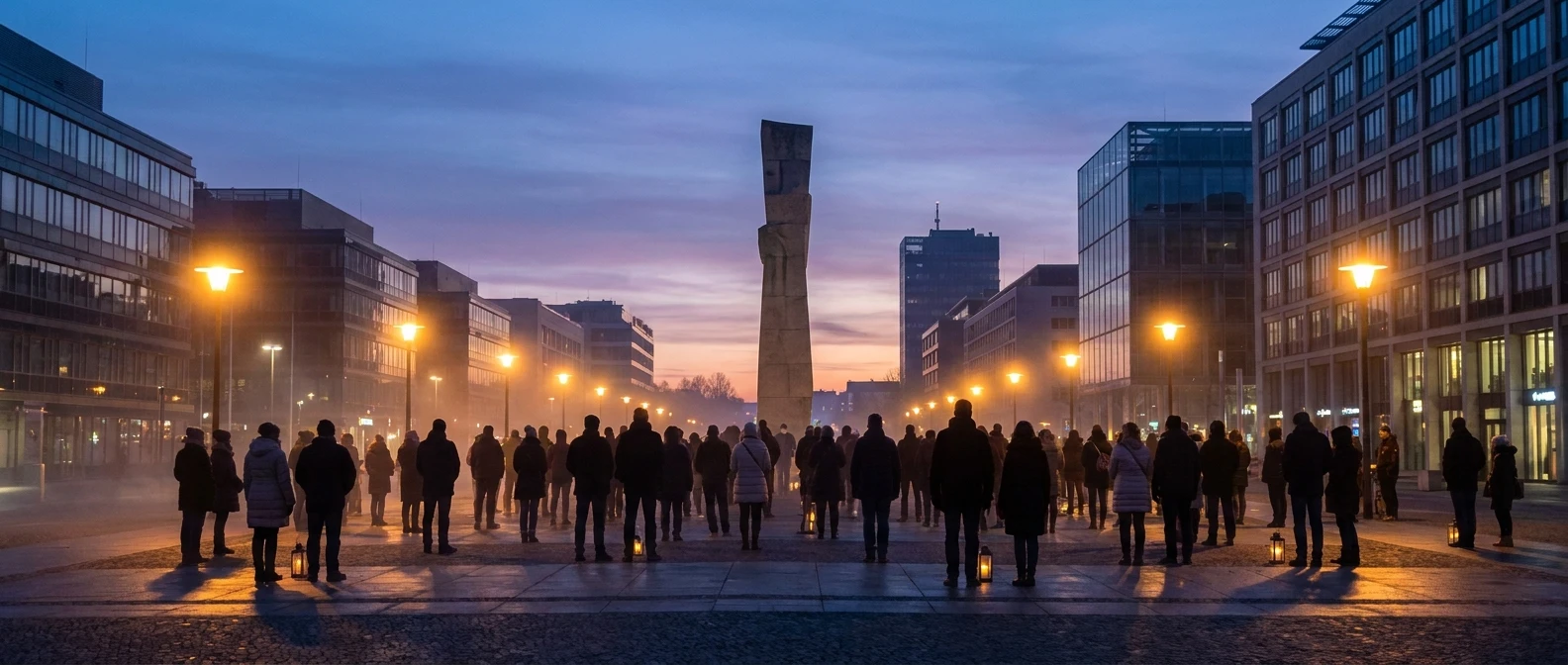
Experiencing the Martin Place Dawn Service
Standing in the brisk autumn air at the Martin Place Dawn Service offers a powerful reminder of sacrifice and national resilience. Every year on April 25th, thousands of people gather in the heart of the Sydney central business district to pay their respects to the ANZAC forces and all personnel who have served in military operations. The absolute silence that falls over the massive crowd before the sun rises creates an atmosphere that words barely capture. You feel the collective weight of history pressing against the modern cityscape. We are looking directly at the mechanics of remembrance, examining how a simple morning ritual grew into the cornerstone of Australian national identity. Understanding the structure, history, and profound significance of this gathering gives you a deeper appreciation for the veterans and the ongoing legacy they leave behind. It is not just a passive ceremony; it is a living tribute that bridges multiple generations of citizens. If you want to comprehend the true pulse of Australian commemoration, you need to look at exactly what happens at the Cenotaph during those quiet, early hours.
The Core Meaning and Logistical Value
Attending this event requires significant preparation, but the emotional return is immense. People show up for distinct, powerful reasons. First, you have families directly tied to military service, carrying the medals of their ancestors on their right chest to ensure those names are not forgotten. The value of showing up lies in this shared, unspoken bond of community endurance. Second, you have younger generations and new citizens seeking to understand a foundational pillar of Australian culture, gaining firsthand exposure to the solemnity that defines national pride. The mechanics of the ceremony follow a strict, unvarying protocol designed to maximize reflection and respect.
Read also: The True Impact of andrew constance Explained; Macca's Breakfast Time Ultimate Guide.
| Ceremonial Element | Precise Timing | Cultural Significance |
|---|---|---|
| The Ode of Remembrance | Precedes the Last Post | A solemn recitation of Laurence Binyon’s poem to focus the collective mind of the crowd on the fallen. |
| The Last Post | Played in the pre-dawn darkness | A bugle call that originally signaled the end of the day, now signifying the end of a soldier’s earthly journey. |
| One Minute of Silence | Immediately following the bugle | A profound collective quiet offering a dedicated mental space for personal reflection and absolute respect. |
| Reveille | Concludes the minute of silence | A traditional military waking signal, representing the dawn of a new day and the endurance of the human spirit. |
To fully grasp the magnitude of the morning, attendees must adhere to specific preparations. The environment is demanding, and respect is paramount.
- Prepare for the elements: The pre-dawn temperature in the city center often drops significantly, requiring layered clothing and weather-appropriate gear.
- Master the transit schedules: Navigate the complex public transport networks that operate on specialized early timetables specifically designed to handle the influx of attendees.
- Maintain strict etiquette: Understand the absolute necessity of silencing all electronic devices, refraining from flash photography, and maintaining total silence during the key ceremonial phases.
Origins of the Cenotaph Gatherings
The history of the gathering is deeply intertwined with the aftermath of the First World War. When returning soldiers sought a place to mourn their fallen mates, formal structures did not yet exist. The Cenotaph in Martin Place was dedicated in 1927, sculpted by Sir Bertram Mackennal, creating a physical anchor for public grief. The tradition of meeting before dawn directly mirrors the military practice of ‘stand-to’, where soldiers would wake and man their positions in the trenches before first light, anticipating an enemy attack. Early dawn services in the late 1920s were small, spontaneous gatherings of veterans who simply wanted to stand together in the quiet hours.
Evolution Through the Decades
As the decades progressed, the scale of the gathering expanded dramatically. Following the Second World War, the Korea War, and the Vietnam War, the demographics of the attendees shifted. It was no longer just the veterans of Gallipoli or the Western Front; it became an intergenerational necessity. The government and the Returned and Services League of Australia (RSL) began formalizing the structure, integrating military bands, official chaplain prayers, and dedicated broadcasting infrastructure to allow those at home to participate. The raw grief of the 1920s evolved into a highly orchestrated national event.
The Modern State of the Ceremony
Today, the ceremony operates on a massive scale. The logistics require months of planning between military officials, state police, and local councils. High-definition screens are erected throughout the precinct to ensure that the tens of thousands of people who cannot get within direct sight of the Cenotaph can still follow the proceedings. Despite the modern technology, crowd control barriers, and heavy security presence, the core essence of the ritual remains untouched. The moment the first command is given, the modern city falls away, and the ancient rhythm of military respect takes complete control.
The Anatomy of Commemoration
The physical protocol of the service relies on exact military precision. The central feature is the Catafalque Party, a guard of four service personnel who stand watch at the four corners of the Cenotaph. They march into position with synchronized precision, executing a movement known as ‘resting on arms reversed’. This requires them to stand with their heads bowed, hands resting on the butt of their weapons, with the muzzle pointed down toward the ground. It is a traditional posture of mourning that demands immense physical stamina and discipline, as the guards must remain perfectly still for the duration of the lengthy service.
Acoustic and Spatial Dynamics in Sydney
The environment of the central business district actively shapes the sensory experience of the ritual. The towering skyscrapers constructed from stone, glass, and steel create an acoustic canyon that heavily influences how the ceremony is heard.
- The reverberation of the solitary bugle playing the Last Post bounces off the surrounding architecture, amplifying the emotional weight of the single instrument.
- The spatial layout requires strict sectoring by crowd management teams to ensure safety while preserving the solemnity of the inner circle reserved for veterans and dignitaries.
- The transition from total artificial street lighting to the natural creep of the morning sun creates a visual metaphor that perfectly aligns with the conclusion of the service.
Step 1: Pre-Dawn Transit Logistics
Your journey begins well before 3:00 AM. Regular transport options are heavily modified, with extra trains and buses running specifically for the event. You must plan your route using real-time transport applications, keeping in mind that several central train stations may have altered exit routes to manage the massive flow of pedestrians. Arriving in the city by 3:30 AM is standard practice for those wanting a clear view.
Step 2: Securing a Viewing Position
Once you exit the station, you will join a silent migration of thousands heading toward the Cenotaph. Positions directly facing the monument fill up extremely early. If you arrive after 4:00 AM, you will likely need to rely on the large broadcast screens positioned further down the street. Choose a spot where you can see a screen clearly and stand comfortably for at least two hours.
Step 3: Navigating the Security Perimeter
Expect a heavy but respectful police and security presence. Bag checks are standard, and certain items are strictly prohibited. Move through the checkpoints efficiently, have your bags open, and follow the directions of the marshals. The goal is to funnel the massive crowd into safe sectors without disrupting the quiet atmosphere of the morning.
Step 4: The Protocol of the Catafalque Party
At approximately 4:15 AM, you will witness the mounting of the Catafalque Party. Watch closely as the military guard marches into position. This is a moment of high discipline. The crowd instinctively quiets down as the rhythmic sound of military boots echoes on the pavement. Once they lower their heads and reverse their weapons, the formal commemoration is officially underway.
Step 5: Observing the Minute of Silence
Following the Ode and the Last Post, the minute of silence begins. This is the most physically demanding aspect for the crowd. You must stand completely still. Do not check your phone, do not whisper, and ensure children understand the necessity of quiet. The physiological reality of tens of thousands of people breathing quietly in a city center is an unforgettable sensory experience.
Step 6: Post-Service Commemoration
As the Reveille plays and the official flags are raised to the masthead, the formal service concludes just as the sky begins to lighten. The crowd will slowly disperse. Many attendees move immediately to local establishments that open their doors early to serve the traditional Gunfire Breakfast, a simple meal often accompanied by coffee laced with rum, mimicking the rations given to soldiers before morning battle.
Step 7: Joining the March and Two-Up
The morning does not end with the sunrise. By 9:00 AM, the city transitions into the main Anzac Day march, where veterans, descendants, and current serving members parade through the streets. Following the march, head to a local venue to participate in Two-Up, a traditional Australian gambling game played legally only on this specific day, honoring the leisure activities of the original ANZAC troops.
Myths & Reality
Myth: The event is entirely a religious service.
Reality: While it contains a designated chaplain’s prayer and hymns, the core of the gathering is a secular military commemoration that is highly accessible and welcoming to people of all belief systems and backgrounds.
Myth: You need to purchase a ticket to enter the main viewing area.
Reality: The public standing areas are completely free and open on a first-come, first-served basis, though there are specific, cordoned-off seated sections exclusively reserved for elderly veterans, disabled attendees, and official dignitaries.
Myth: The bugle calls used are entirely unique to the Australian military.
Reality: The bugle calls, including the Last Post and Reveille, are standard British and Commonwealth military signals that have been historically adapted across multiple nations for memorial and funeral purposes.
Myth: The service only concludes when the sun physically rises over the horizon.
Reality: The formal military service is precisely timed to conclude just before dawn breaks, allowing the subsequent actual sunrise to serve as a symbolic, natural closing element to the morning’s proceedings.
What time does the service officially begin?
The formal proceedings generally commence at exactly 4:28 AM, matching the historical time of the initial amphibious landings at Gallipoli, though attendees begin gathering hours earlier.
Is public transport free for veterans?
Yes, historically, veterans wearing their medals or military uniforms, as well as their accompanying carers, are granted free travel on public transport networks to facilitate their attendance.
Can civilians wear military medals?
Civilians are permitted and encouraged to wear the medals of deceased family members, but strict protocol dictates they must be worn on the right breast, reserving the left breast exclusively for the original recipient.
Are there large screens for viewing?
Yes, multiple high-definition screens and powerful audio arrays are set up along the length of the street to ensure the massive overflow crowds can witness the intimate details of the ceremony.
What happens if it rains?
The service proceeds regardless of weather conditions. The military protocol and the dedication of the attendees mean that rain simply adds a layer of shared endurance to the morning.
Is there a dedicated area for mobility-impaired attendees?
Yes, organizers provide specially designated viewing areas with seating and clear lines of sight for veterans and attendees with mobility issues, though these often require advance registration.
Where do attendees go after the service?
Many disperse to local community clubs, pubs, and RSL branches for a traditional Gunfire Breakfast, sharing stories and preparing for the massive mid-morning parade.
Understanding the Martin Place Dawn Service goes far beyond knowing the timetable; it requires an appreciation for the meticulous military discipline, the historical grief, and the modern community unity that define the morning. This annual gathering remains a powerful testament to the enduring respect for those who served. Share this comprehensive guide with friends and family to ensure you are perfectly prepared to honor the ANZAC legacy at the next dawn gathering.