
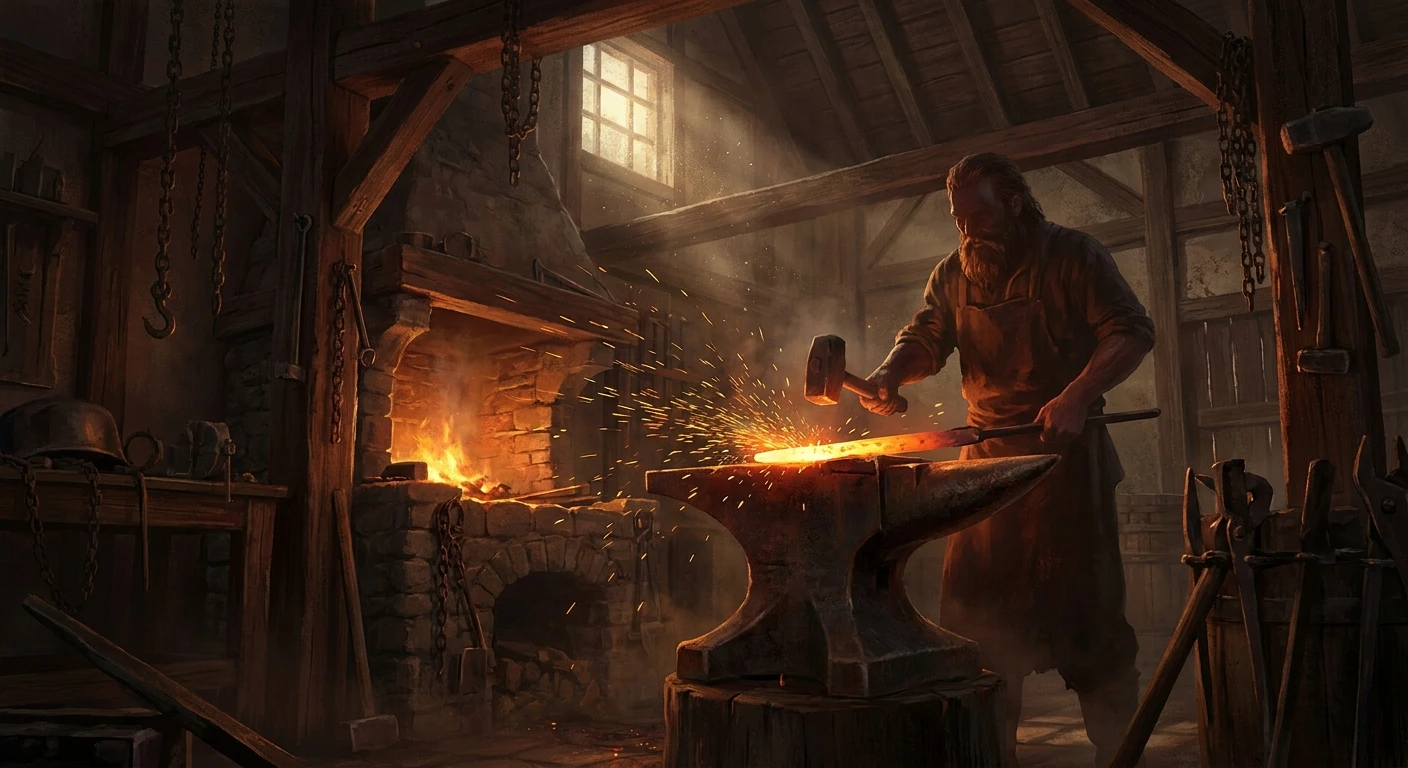
The Resurgence of Eveleigh Works in Modern Craftsmanship
Ever wonder how traditional craftsmanship survives in an era dominated by automation and mass production? Eveleigh Works stands as a testament to the raw, enduring power of heritage blacksmithing, proving that some skills simply cannot be replicated by algorithms or assembly lines. Located within a deeply historical industrial precinct, this working forge does not just display history behind glass cases; it actively pounds it into shape daily on massive anvils that have witnessed over a century of relentless labor. For anyone fascinated by the visceral combination of fire, steel, and human determination, understanding the significance of this facility is absolutely essential. As we navigate an increasingly digital landscape, the hunger for tangible, tactile experiences has sparked a massive cultural revival in hands-on trades. You do not need to be a professional metalworker to appreciate the sheer magnitude of shaping solid iron with a hammer. The preservation of such a space allows modern generations to step back into the grit of the industrial revolution, feeling the radiant heat of the furnaces and hearing the deafening, rhythmic clang of power hammers. It is a living, breathing workshop where the ancient art of smithing continues to thrive, bridging the gap between historical industry and contemporary artisan craftsmanship.
The Core Benefits of Heritage Forging
Stepping into a traditional blacksmithing environment offers a profound educational and sensory experience that goes far beyond merely hitting hot metal. The value proposition of a facility like Eveleigh Works lies in its unique ability to combine historical preservation with active, hands-on learning. When you engage with heritage machinery, you are not just making a tool; you are actively participating in a continuous lineage of human engineering. Consider the difference between purchasing a factory-made kitchen knife and forging your own blade. The former is a simple transaction, while the latter involves sweat, focus, and a deep understanding of material science. The physical effort required translates into a profound sense of accomplishment. Furthermore, these workshops provide an unparalleled opportunity to unplug from digital distractions. The forge demands absolute presence; if your mind wanders, your steel burns or your strike misses. Below is a breakdown of typical forging experiences and their specific learning outcomes.
Read also: Bowen Coking Coal Market Insights and Industry Guide; The Ultimate Guide to Pistachio Papi for Better Skin.
| Course Type | Skill Level | Key Takeaway |
|---|---|---|
| Basic Knife Making | Beginner | Fundamentals of shaping and edge geometry |
| Axe Forging | Intermediate | Understanding heat treatment and heavy steel manipulation |
| Damascus Steel | Advanced | Mastering pattern welding and complex metallurgy |
To truly grasp why this traditional method of forging remains so crucial today, we need to look at its broader impacts on modern artisans. The benefits extend far beyond the workshop floor. Here are the primary reasons why engaging with heritage blacksmithing is so valuable:
- Sustainable Crafting: Traditional forging often utilizes repurposed or recycled high-carbon steel, turning discarded scrap into functional, heirloom-quality tools that last lifetimes.
- Mental Focus and Mindfulness: The demanding nature of working with extreme heat and heavy tools forces the brain into a state of deep flow, acting as a highly physical form of meditation.
- Preserving Irreplaceable Techniques: By learning these skills, participants become custodians of an ancient craft, ensuring that the knowledge of manual metal manipulation is not lost to complete automation.
Origins of the Forge
The story of Eveleigh Works is deeply intertwined with the massive industrial expansion of the late 19th century. Originally established as part of a sprawling railway workshop complex, the site was dedicated to the construction, maintenance, and repair of steam locomotives. These engines were the absolute lifeblood of the nation’s transport network, requiring parts that were forged with immense precision and strength. The blacksmiths who operated in these colossal sheds were highly respected tradesmen, capable of moving hundreds of pounds of glowing steel using massive, steam-driven drop hammers. The architecture of the building itself, with its high ceilings and heavy timber beams, was specifically designed to handle the intense heat, smoke, and vibration generated by dozens of active fires operating simultaneously. It was a hub of relentless innovation and grueling physical labor.
Evolution Through the Century
As the 20th century progressed, the golden age of steam slowly gave way to diesel and electric locomotives. This technological shift drastically reduced the need for the heavy forging operations that once defined the workshop. The massive fires were gradually extinguished, and the deafening roar of the power hammers fell silent. For decades, the facility sat largely dormant, serving as a quiet monument to a bygone era. However, the heavy machinery, the anvils, and the layout of the forge remained intact, preserved almost by accident. Historians, industrial archaeologists, and passionate metalworkers recognized the immense cultural value of the site. Grassroots efforts began to protect the area from modern redevelopment, arguing that the space held too much historical significance to be demolished or converted into generic office spaces.
The Modern State of the Workshop
Today, the space has been masterfully revitalized. It operates not as a museum where visitors passively observe static displays, but as a dynamic, fully functional educational forge. Artisans and instructors have restored the vintage power hammers and furnaces, breathing life back into the historic machinery. It now serves as a premier destination for classes, custom architectural ironwork, and artistic metal sculpture. Students from all walks of life travel to experience the unique atmosphere, learning the very same techniques that were used over a century ago. The modern iteration of the workshop perfectly balances respect for historical authenticity with the safety and instructional requirements of a contemporary artisan school, cementing its reputation as a vital cultural asset.
The Metallurgy of Forging
To understand what happens inside a facility like Eveleigh Works, you must look beyond the physical hammering and dive into the complex science of metallurgy. Steel is not a static material; it is a dynamic alloy of iron and carbon with a crystalline structure that changes dramatically when exposed to extreme heat. When a blacksmith heats steel in a forge, they are manipulating these microscopic structures. At room temperature, the atoms in the steel are arranged in a specific lattice. As the temperature rises above the critical point, the structure transforms into a phase called austenite. This structural shift makes the metal highly malleable, allowing it to be stretched, bent, and compressed without fracturing. The skill of the blacksmith lies in working the metal while it is in this specific state, visually judging the temperature by the color of the glowing steel—ranging from a dull cherry red to a blinding yellow-white.
Mastering Heat Treatment
The true magic of blacksmithing, however, happens during the heat treatment process. Shaping the tool is only half the battle; if the steel is not properly treated, it will either be too soft to hold an edge or too brittle to withstand impact. This involves a carefully timed sequence of heating and rapid cooling. Here are the core scientific principles involved in heat treating steel:
- Quenching: Rapidly cooling the steel in oil or water locks the carbon atoms into a stressed crystalline structure called martensite, making the steel incredibly hard.
- Tempering: Because quenched steel is too brittle for practical use, it must be gently reheated (tempered) to relieve internal stresses, sacrificing a tiny bit of hardness for a massive increase in toughness.
- Thermal Expansion: Blacksmiths must account for the fact that metal expands when heated and shrinks when it cools, which is crucial when fitting iron tires to wooden wheels or joining components.
- Decarburization: Leaving steel in the fire for too long exposes it to oxygen, which can burn out the carbon content, ruining the tool’s ability to harden properly.
Day 1: Understanding the Anvil and Hammer
Embarking on a journey to master the basics of heritage blacksmithing requires a structured approach. The first phase is entirely about familiarization. You must learn the geography of the anvil—the horn, the face, the hardie hole, and the pritchel hole. Grip, stance, and hammer technique are established here to prevent injury and ensure maximum efficiency. Swinging a hammer relies on gravity and rebound, not just shoulder strength.
Day 2: Lighting and Managing the Forge
Fire management is a distinct skill. Whether using coal, coke, or gas, maintaining the correct temperature is vital. You will learn to build a “cave” of fuel, control the airflow from the blower, and identify the neutral, oxidizing, and reducing zones within the flame to prevent damaging your steel.Day 3: Tapering and Drawing Out
This is where metal first starts to move. Drawing out is the process of making a piece of steel longer and thinner. By using the horn of the anvil and strategic hammer strikes, you force the mass of the metal to stretch. This fundamental technique is the basis for making almost any pointed tool or blade.
Day 4: Scrolling and Bending
Transforming rigid iron into elegant curves requires precision and timing. You will practice bending steel over the edge of the anvil and using the horn to create sweeping scrolls. This day focuses heavily on hammer control and understanding how heat isolates exactly where the metal will yield.
Day 5: Punching and Drifting
Instead of using an electric drill, traditional blacksmiths make holes using heat and specialized tools. You will learn to drive a steel punch through glowing hot iron, then use a tapered tool called a drift to expand the hole to the exact desired dimension, a technique crucial for making axes and hammers.
Day 6: Heat Treatment and Quenching
This critical phase puts your metallurgical knowledge to the test. You will heat your forged pieces to non-magnetic temperatures and plunge them into the quench tank. The sudden hardening is followed immediately by tempering cycles in an oven or over residual forge heat to ensure the final product is durable.
Day 7: Finishing, Grinding, and Polishing
The final step brings the raw forged texture into sharp relief. You will use belt grinders, files, and polishing compounds to refine the edges of your work. This process removes the dark forge scale from the cutting edges while leaving the beautiful, rustic finish on the flats of the steel.
Debunking Common Forging Myths
Myth: Blacksmithing is just mindless brute force. Reality: It is a highly analytical craft that requires a deep understanding of geometry, physics, and material science; precision always beats sheer strength. Myth: Traditional forges are completely obsolete in the modern era. Reality: While they do not mass-produce cheap goods, they are the only way to create bespoke, structurally superior architectural ironwork and custom blades that factories simply cannot replicate. Myth: It is too dangerous for an average beginner to try. Reality: With strict adherence to safety protocols, proper protective gear, and expert supervision, beginners can safely navigate the workshop environment without incident. Myth: You need massive muscles to be a successful blacksmith. Reality: Proper technique relies on the natural rebound of the anvil and the weight of the hammer doing the work, making the craft accessible to people of various physical builds.
Do I need prior experience to take a class?
Not at all. Most heritage workshops cater specifically to absolute beginners, providing step-by-step guidance to ensure you learn the fundamentals safely and effectively.
What should I wear to a forge?
You must wear natural fibers like heavy cotton or denim. Synthetics can melt to your skin if exposed to sparks. Steel-toe leather boots and safety glasses are mandatory.
Can I take my creation home?
Yes. The standard practice for beginner courses is that you leave with the physical item you forged, whether it is a hook, a knife, or a fire poker.
Is it overwhelmingly hot in the workshop?
It can be very warm, especially during summer months. However, the workshops are highly ventilated, and staying hydrated mitigates the intensity of the radiant heat.
Do women participate in blacksmithing?
Absolutely. The craft is highly inclusive. As technique trumps raw strength, women excel in blacksmithing, and the community is increasingly diverse and welcoming.
How old is the machinery used?
Many heritage shops utilize anvils, leg vises, and power hammers that date back to the late 1800s and early 1900s, meticulously restored to full working order.
Can children participate in forging classes?
Due to safety and insurance regulations, most active forges require participants to be at least 15 or 16 years old, though some offer specialized youth observation days.
Conclusion
The enduring legacy of facilities like Eveleigh Works proves that there is immense value in looking back to our industrial roots. By preserving the heavy machinery, the techniques, and the profound knowledge of metallurgy, these spaces offer a powerful antidote to a world of disposable goods. Whether you are a history buff, an aspiring artisan, or simply someone looking for a transformative physical challenge, stepping up to the anvil is an experience unlike any other. Do not just read about history; go out, book a masterclass at a heritage forge, and learn to shape the steel yourself.