
The Strategic Mind Behind the CEO of Bunnings
Understanding the role of the CEO of Bunnings requires looking far past the iconic green aprons and the weekend community sausage sizzles. The chief executive of this massive hardware and home improvement enterprise manages one of the most profitable retail divisions under the Wesfarmers corporate umbrella. Operating as the primary decision-maker for a brand that essentially monopolizes the DIY and commercial hardware space in Australia and New Zealand, the CEO must navigate complex global supply chains, massive labor forces, and rapidly shifting consumer demands. Leading such a sprawling network means orchestrating thousands of daily logistical movements while maintaining a hyper-local, community-driven brand identity. This dual mandate—global operational efficiency paired with neighborhood-level customer trust—creates a uniquely demanding corporate environment.
The leadership approach taken by the head of this organization sets a benchmark for big-box retailers worldwide. Rather than operating purely from a distant boardroom, successful executives at this level integrate direct frontline feedback into high-level strategic planning. They must continuously assess everything from international lumber prices and manufacturing tariffs to the precise layout of aisle endcaps in regional stores. This hands-on, deeply analytical methodology ensures that the company does not just survive economic fluctuations but actively captures greater market share during periods of industry consolidation. By maintaining an aggressive stance on price guarantees and inventory availability, the executive team fortifies the brand against both domestic competitors and international e-commerce giants.
Read also: Bistro Morgan Net Worth: Inside Morgan Hipworth's Empire; Understanding the Kayla Jade Brand Strategy.
Core Operations and Market Leadership Strategies
The operational mechanics championed by the executive team rely on a robust value proposition: offering the widest range of home improvement goods at the lowest prices, backed by superior customer service. This fundamental philosophy requires meticulous execution. For instance, expanding the business-to-business (B2B) trade segment has been a major priority. By securing dedicated commercial hubs and tailored trade accounts, the leadership ensures a steady revenue stream from professional builders, insulating the company from seasonal dips in casual consumer DIY spending. Another critical example is the integration of a digital marketplace. Recognizing the shift in consumer buying habits, the executives launched an expansive online platform that connects third-party sellers with the retailer’s massive audience, exponentially increasing available products without adding physical warehousing costs.
| Strategic Initiative | Implementation Method | Retail Impact |
|---|---|---|
| Commercial Trade Expansion | Dedicated trade desks and specialized bulk delivery logistics. | Consistent, high-volume revenue resistant to seasonal retail trends. |
| Digital Marketplace Integration | Onboarding vetted third-party vendors to a centralized online platform. | Vastly expanded product catalog without physical inventory holding costs. |
| Community Brand Anchoring | Hosting local events, DIY workshops, and supporting charity drives. | High customer loyalty and dominant localized market presence. |
Executing these massive initiatives demands a highly synchronized management style. The executive framework relies on several core pillars to drive continuous growth and market dominance:
- Unwavering commitment to team safety and retention: Prioritizing the physical well-being and continuous training of tens of thousands of warehouse and retail employees.
- Strict lowest prices policy enforcement: Utilizing advanced market-scanning algorithms to ensure price-beat guarantees remain accurate and financially viable.
- Expansive physical footprint optimization: Strategically acquiring prime real estate for new warehouse locations while optimizing the floor plans of existing legacy stores.
Origins and Evolution of the Retail Giant
Origins of the Executive Framework
The management structure that currently defines the organization has roots extending back to a modest Western Australian timber yard founded in 1886 by brothers Arthur and Robert Bunning. For decades, the business operated primarily within the forestry and timber milling sector. The leadership during these early years focused heavily on raw material extraction and direct supply to local builders. It was not until the mid-20th century that the executive board began pivoting toward retail hardware, recognizing the higher profit margins and broader consumer base available in consumer-facing stores. This initial shift laid the groundwork for the modern corporate culture, which still heavily values deep industry knowledge and practical building expertise.
Evolution of the Corporate Strategy
A major turning point occurred in 1994 when Wesfarmers acquired the brand, fundamentally altering the trajectory of the company. Under the guidance of highly ambitious chief executives, the company adopted the “big box” warehouse model that had proven highly successful in North American markets. The management team aggressively rolled out massive, warehouse-style stores, rapidly acquiring smaller regional competitors and integrating them into a unified national supply chain. This era of hyper-expansion required leaders who were experts in real estate acquisition, rapid scaling, and aggressive merchandising. The executive strategy centered on overwhelming the market with sheer volume, out-competing local hardware stores through massive inventory scale and unbeatable pricing power.
Modern State of Hardware Retail
Today, the leadership operates on a vastly different scale. The modern executive team must manage a mature, heavily saturated market where growth comes from strategic diversification rather than sheer geographical expansion. The focus has shifted toward technological integration, sustainability, and deepening the commercial trade business. The current management heavily invests in data analytics to predict consumer trends, utilizing artificial intelligence to optimize supply routes and inventory levels. Navigating the modern retail landscape requires the head of the company to act as a hybrid leader—part traditional retail merchant and part technological innovator, ensuring the legacy brand remains agile in a digitized economy.
Scientific and Technical Deep Dive
Supply Chain Analytics and Logistics
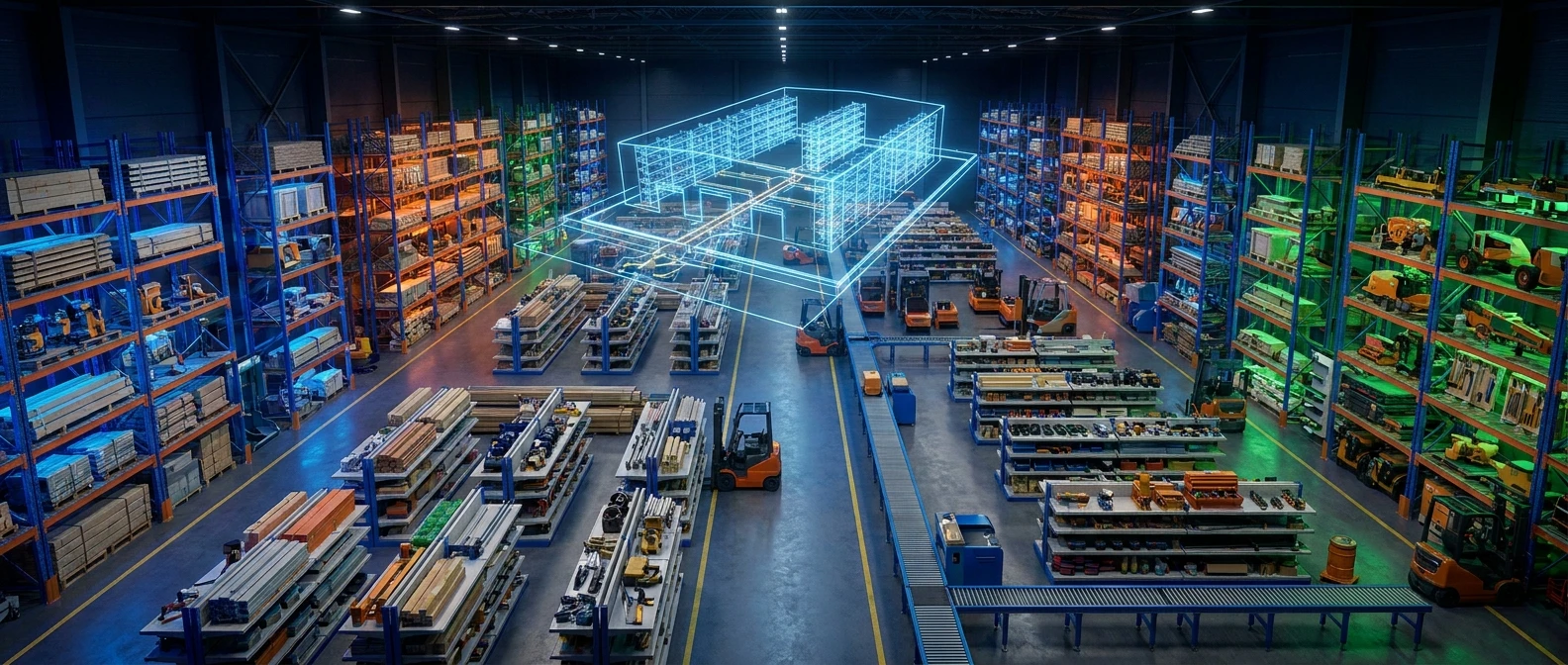
The backbone of this retail empire is a highly sophisticated, data-driven supply chain. The executive team leverages advanced predictive analytics to manage an inventory system encompassing tens of thousands of individual Stock Keeping Units (SKUs). Rather than relying entirely on localized warehouse storage, the company utilizes a cross-docking distribution model. Products arrive from global manufacturers at centralized distribution centers and are immediately sorted and reloaded onto outbound transport destined for specific retail locations, minimizing holding times. This high-velocity logistics model reduces overhead costs and ensures shelves remain stocked even during periods of extreme consumer demand. Leadership constantly analyzes freight costs, international shipping container availability, and raw material shortages to adjust purchasing algorithms dynamically.
Consumer Behavioral Economics
The physical layout of the stores is an exercise in applied behavioral economics, meticulously designed by the corporate strategy team. The industrial, warehouse aesthetic is entirely intentional; it acts as a visual cue signaling wholesale pricing and abundance to the consumer. Wide aisles, towering bulk racks, and concrete floors subconsciously reinforce the “lowest prices” brand promise. Furthermore, high-margin impulse items and seasonal goods are strategically positioned at the front of the store and along main traffic corridors, while destination items like timber and heavy building materials draw customers deep into the warehouse. The executive team continually reviews heat-mapping data and foot-traffic analytics to refine these layouts.
- Inventory Scale: Average warehouse locations manage between 40,000 and 50,000 active SKUs, requiring precise digital tracking systems.
- Dwell Time Metrics: Store layouts are engineered to increase customer dwell time, with internal cafes and interactive DIY displays extending average visit durations.
- Elasticity Modeling: The pricing department uses advanced price elasticity models to adjust margins on high-volume, low-cost items while maintaining the overall perception of value.
- Energy Efficiency: Technical initiatives include outfitting warehouse roofs with massive solar arrays to offset the immense power draw of the retail spaces.
Step-by-Step Guide to Leading Like a Retail Giant
1. Cultivate Grassroots Community Ties
Corporate leadership must mandate local engagement. Permitting store managers to host community groups and local charities builds an impenetrable layer of brand loyalty that multinational competitors cannot easily replicate. True executive strategy involves funding and encouraging these local initiatives.
2. Optimize Inventory Logistics
A leader must treat the supply chain as the company’s central nervous system. Implement just-in-time inventory practices where possible, but maintain strategic reserves of high-demand staple goods. Understand the exact cost of holding inventory versus the cost of empty shelves.
3. Empower Frontline Employees
Retail success relies on the knowledge of floor staff. Executives should invest heavily in continuous product training. When a customer speaks to an employee, they expect expert advice; providing that expertise is a direct management responsibility.
4. Adapt to Digital Commerce
Do not treat digital sales as an afterthought. Build an online marketplace that complements the physical stores rather than competing against them. A seamless omnichannel experience allows customers to research online and pick up bulk items in-store effortlessly.
5. Master Commercial Operations
While DIY consumers provide volume, trade professionals provide consistency. A savvy leader establishes dedicated B2B channels, offering credit accounts, early opening hours, and bulk pricing tiers specifically designed for construction and trade businesses.
6. Maintain Price Guarantees
If you promise the lowest prices, the underlying corporate structure must support it. This requires ruthless negotiation with suppliers, streamlined operational costs, and the willingness to take lower margins on specific anchor products to drive total basket size.
7. Foster Sustainable Supply Chains
Modern executive leadership demands environmental accountability. Transitioning to renewable energy in store operations and ensuring ethical sourcing of timber and manufactured goods is no longer optional; it is a critical component of risk management and brand protection.
Myths and Reality of Hardware Management
Myth: The executive leadership team only focuses on amateur DIY hobbyists and weekend gardeners.
Reality: A massive percentage of corporate strategy and revenue generation is completely dedicated to commercial builders, tradespeople, and large-scale construction supply logistics.
Myth: Store layouts are randomly assembled based on whatever inventory arrives on the trucks.
Reality: Every aisle, endcap, and product placement is meticulously calculated using advanced behavioral analytics, heat mapping, and sales velocity data to maximize customer spending.
Myth: Massive big-box retailers are completely immune to digital disruption.
Reality: The leadership invests hundreds of millions of dollars into e-commerce infrastructure, digital marketplaces, and app development to fend off purely online competitors.
Myth: The lowest price guarantee is just a marketing slogan with no real operational backing.
Reality: The company employs teams of analysts and automated algorithms constantly scanning competitor prices to mathematically ensure their guarantee remains factual and financially sustainable.
Frequently Asked Questions
Who acts as the CEO of Bunnings?
The position is held by a Managing Director who oversees the entire operational strategy, reporting directly to the board of the parent company, Wesfarmers.
What is the primary role of the executive team?
They manage long-term strategic growth, international supply chain logistics, real estate acquisitions, and maintain the overarching corporate culture across thousands of employees.
How many stores does the brand operate?
The network includes hundreds of massive warehouse formats, smaller regional stores, and dedicated trade centers spread extensively across Australia and New Zealand.
Who owns the business?
The retail group is a wholly-owned subsidiary of Wesfarmers Limited, one of Australia’s largest publicly listed conglomerate corporations.
Does the leadership team focus on sustainability?
Yes, the corporate board enforces strict policies on ethical timber sourcing, waste reduction, and transitioning retail sites to renewable energy sources.
How does the company handle trade customers?
Executives have structured dedicated commercial divisions, offering specialized trade desks, unique account management, and specific delivery logistics for building professionals.
Where is the corporate headquarters located?
The primary administrative and executive headquarters is based in Melbourne, Victoria, serving as the central hub for all national and international operations.
The management techniques executed by the CEO of Bunnings offer a masterclass in blending immense corporate scale with localized community appeal. By relentlessly optimizing supply chains, expanding digital footprints, and prioritizing frontline expertise, the executive framework ensures long-term dominance in a highly competitive sector. If you want to master modern retail leadership, study these proven big-box methodologies and apply them to your own operational strategies today!