
Breaking Down the Bistro Morgan Net Worth Phenomenon
Wondering exactly how the staggering Bistro Morgan net worth reached the heights everyone is talking about? You are not alone. When a teenage baker transforms a passion for pastries into a highly coveted food brand, the financial world pays attention. The story of Morgan Hipworth is a masterclass in modern entrepreneurship, blending culinary skill with a sharp intuition for branding. Starting out by supplying local cafes, this young visionary eventually built an enterprise that commands massive valuation numbers. By combining premium ingredients with highly photogenic product designs, he captured the attention of both dessert lovers and serious investors. As we examine the mechanics behind this impressive operation, we will see exactly how a single bakehouse concept scaled into a formidable business. From the strategic opening of retail locations to the mastery of digital marketing, every decision played a crucial role in inflating the brand’s financial standing. Today, the valuation reflects not just the daily sales of baked goods, but the immense social capital and intellectual property tied to the founder’s name. Let us look at the precise strategies, economic models, and brand building exercises that turned a high school hobby into a massive commercial success.
The Core Mechanics of a Food Empire
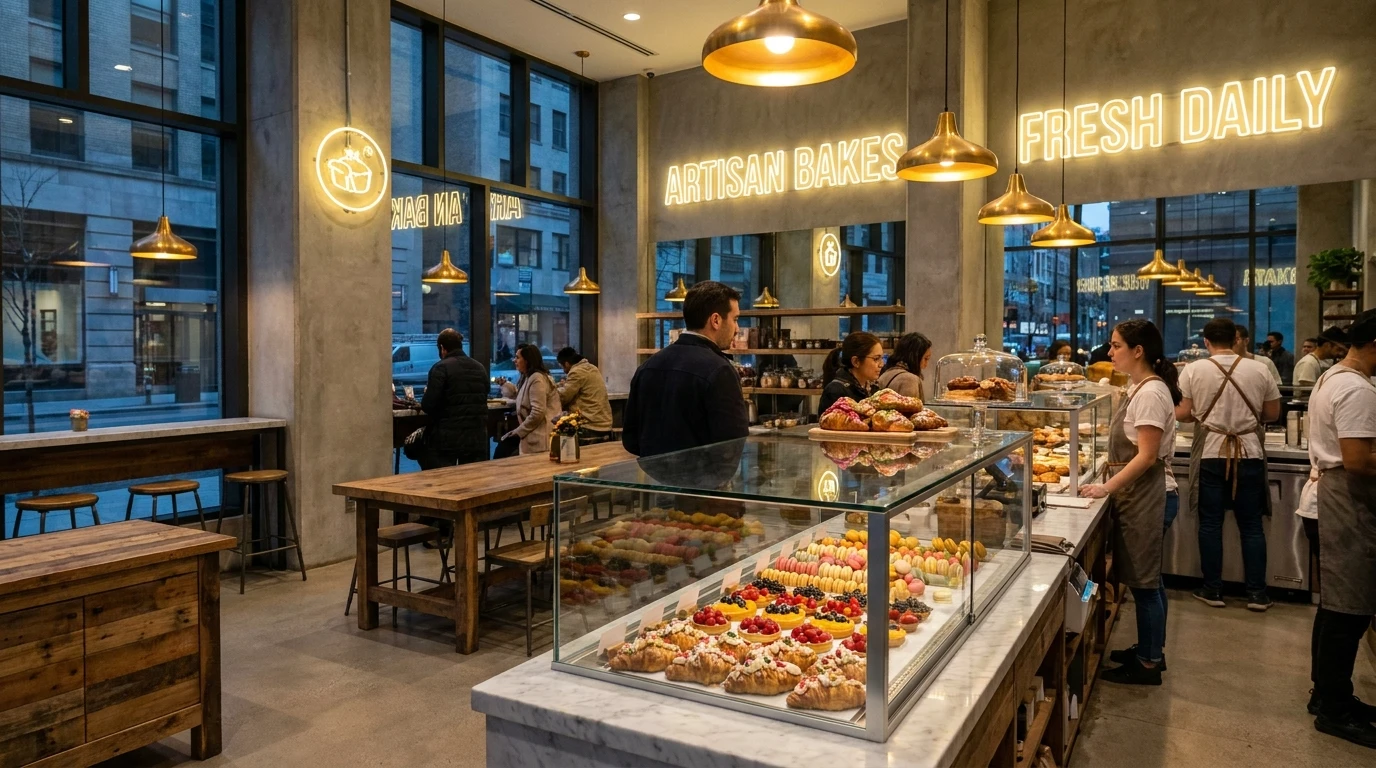
Understanding the financial backbone of this business requires looking beyond the sugar and flour. The company operates on a high-margin, high-volume model that maximizes profitability through intense brand loyalty. A significant portion of the revenue stems from direct-to-consumer retail, but the true multiplier comes from strategic brand positioning and media presence. By establishing flagship locations that act as destination spots for food enthusiasts, the brand creates a continuous cycle of organic marketing. Customers travel specifically to experience the atmosphere, purchase the premium goods, and share their experiences online. This self-sustaining marketing engine drastically reduces customer acquisition costs while driving up daily transaction volumes. Furthermore, the product lines are deliberately designed to be visually striking, making them highly shareable. This translates directly to the bottom line, pushing the enterprise value upward as the brand becomes a staple of local culinary culture. The strategic expansion into multiple product categories ensures that customers have multiple reasons to return. Whether it is a weekend treat or a special occasion order, the business captures diverse revenue streams. To truly grasp the financial landscape of this brand, we must examine the specific value propositions and how they impact the overall financial health of the company.
Read also: Mastering The gtm 2019 Strategy For Growth; The Rise of jessika power: From TV Screen to Digital Empire.
- Experiential Retail: Creating store environments that are visually appealing and encourage social media sharing, effectively turning every customer into a brand ambassador.
- Premium Pricing Strategy: Positioning products as artisanal and high-quality, allowing for higher profit margins compared to standard commercial baked goods.
- Agile Menu Development: Continuously introducing limited-edition flavors and seasonal items to create urgency, drive repeat visits, and maintain high levels of consumer interest.
| Revenue Stream | Operational Description | Impact on Business Valuation |
|---|---|---|
| Flagship Retail Locations | Direct sales of premium pastries, coffees, and merchandise across multiple physical storefronts. | Provides consistent daily cash flow and establishes strong physical brand presence in high-traffic neighborhoods. |
| Media and Brand Partnerships | Collaborations with other food brands, sponsored content, and personal brand monetization. | Creates high-margin secondary income and drastically increases the brand’s visibility and enterprise multiplier. |
| Pop-ups and Special Events | Temporary installations at major festivals, corporate catering, and exclusive holiday releases. | Drives massive short-term revenue spikes and acts as market testing for potential permanent expansions. |
These core pillars function together seamlessly. The retail stores serve up handcrafted doughnuts, cookies, scrolls and seasonal pastries that keep the local market engaged. At the same time, the founder’s growing media presence adds an intangible asset value that standard bakeries simply do not possess. This dual approach of solid retail fundamentals combined with high-level media strategy is the exact recipe for generating immense financial success in the modern food industry.
The Origins of a Pastry Prodigy
Every massive financial success story starts with a foundational spark, and this one began exceptionally early. Long before achieving major commercial milestones, the founder was experimenting in his home kitchen, perfecting recipes that would eventually become signature items. At just 15 years old, a time when most teenagers are focused on high school exams, he was already laying the groundwork for a serious commercial enterprise. He began pitching his creations to local cafe owners, demonstrating a level of hustle and business acumen rarely seen in someone so young. These early wholesale relationships proved that the product had serious market demand. The transition from a home-based operation to a legitimate commercial supplier was the first major leap in building the brand’s equity. This period was characterized by relentless work ethic, trial and error in scaling recipes, and learning the harsh realities of food cost management. The early days were not backed by massive corporate funding, but rather driven by pure organic growth and reinvestment of early profits.
Evolution into a Melbourne Institution
As demand outpaced the capacity of small-scale production, the next logical step was establishing a dedicated physical presence. The opening of the first permanent store in Windsor marked a pivotal moment in the company’s financial history. It transitioned the business from a hidden wholesale supplier to a front-facing consumer brand. The launch was an overwhelming success, immediately drawing massive crowds and generating significant media coverage. In fact, during those crucial early days of scaling, the business proved its incredible cash-flow potential when it made $55,000 on his opening weekend alone. This rapid influx of capital validated the business model and provided the necessary fuel for further expansion. Operating a dedicated storefront allowed for complete control over the customer experience, from the aesthetic of the shop to the presentation of the final product. This level of control is essential for maintaining premium pricing and building a cult-like following. The success in Windsor eventually paved the way for further expansion into Fitzroy, solidifying the brand as a true cornerstone of the local culinary scene.
The Modern State of the Empire
Fast forward to the present, and the scale of the operation is truly breathtaking. The business is no longer just a local bakery; it is a recognizable culinary institution with significant financial weight. By 2025, industry reports pointed to a staggering achievement, noting that the founder is now worth an estimated $200 million after dominating the dessert market. This valuation is not merely the sum of daily pastry sales; it reflects the total enterprise value, including brand equity, intellectual property, media reach, and future earning potential. The operation has matured into a highly optimized machine, capable of executing large-scale production while maintaining the artisanal quality that first made it famous. This delicate balance of scale and quality is the ultimate driver of the current financial valuation, cementing the founder’s status as one of Australia’s youngest and most successful food moguls.
The Economics of Artisanal Baking
To truly comprehend how a bakery reaches such astronomical valuations, we must look at the specific unit economics of artisanal baking. The raw ingredients for baked goods—flour, sugar, yeast, and butter—are inherently low-cost commodities. However, when these basic ingredients are transformed through expert technique, innovative flavor profiling, and impeccable presentation, their perceived value skyrockets. The gross margin on a premium artisanal pastry can be exceptionally high compared to other food service sectors. The financial secret lies in volume and efficiency. By standardizing the production process for the base dough while allowing for creative freedom in the toppings and fillings, the business maximizes labor efficiency without sacrificing the artisanal appeal. Furthermore, the strategic use of limited-time offerings creates an artificial scarcity that drives immediate purchasing behavior. Customers are willing to pay a premium price not just for the taste, but for the experience and the cultural cachet of consuming a recognized brand. This pricing power is a critical component of the overall enterprise valuation.
Brand Equity and Social Capital
In contemporary business, a massive social media following is a tangible financial asset. It drastically lowers customer acquisition costs and provides a direct, free channel for marketing new products. The founder’s personal brand is inextricably linked to the corporate brand, creating a powerful synergy. Every viral video, every Instagram post, and every media appearance acts as a top-of-funnel marketing mechanism that eventually drives foot traffic to the physical stores. This social capital is heavily factored into the overall valuation. Investors and financial analysts recognize that a brand with millions of highly engaged followers possesses a distinct competitive advantage that is incredibly difficult to replicate. This digital real estate acts as a moat, protecting the business from local competitors and ensuring long-term relevance. The integration of personal storytelling with product marketing creates a deeply loyal customer base that is resilient to economic fluctuations.
- Cost of Goods Sold (COGS) Optimization: Maintaining low ingredient costs while maximizing the retail price through premium branding and perceived value.
- Digital Acquisition Funnels: Utilizing viral social media algorithms to drive organic foot traffic without relying on expensive traditional advertising campaigns.
- Intellectual Property Valuation: Factoring the distinct recipes, brand trademarks, and proprietary production methods into the overall financial assessment of the company.
Step 1: Perfect the Core Product
Building a brand with massive financial weight requires an uncompromising commitment to the core product. Before any marketing or expansion takes place, the foundational offering must be exceptional. For this empire, the journey started with mastering the complex science of yeast dough. This requires endless patience, precise temperature control, and a deep understanding of fermentation. A superior product acts as the strongest form of marketing. When the quality is undeniable, customers will naturally spread the word, creating the organic momentum required for initial growth. You must focus entirely on consistency; a product must taste exactly the same on a slow Tuesday as it does on a frantic Saturday.
Step 2: Leverage Early Hype
Once the core product is perfected, capturing and maintaining public attention is the next critical phase. Early buzz is incredibly valuable but highly volatile. When local media or influencers begin to take notice, a smart entrepreneur capitalizes on that attention immediately. This means ensuring that supply can meet the sudden spikes in demand without compromising the quality that generated the hype in the first place. Structuring limited-time pop-ups or exclusive drops can concentrate this hype, creating lines out the door that further validate the brand’s desirability to the wider public.
Step 3: Master Social Media Storytelling
The modern consumer does not just buy a product; they buy into a story. Documenting the journey from the early morning baking shifts to the challenges of managing a growing team creates a compelling narrative. This transparency builds a parasocial relationship with the audience. When customers feel like they are part of the brand’s journey, their loyalty deepens significantly. High-quality visual content that showcases the intricate details of the baking process serves as continuous, highly effective advertising that costs nothing but time to produce.
Step 4: Strategic Location Scouting
Transitioning to physical retail requires intense financial scrutiny of potential locations. The chosen neighborhoods must align perfectly with the target demographic. Opening in areas known for a vibrant food culture and heavy foot traffic ensures a steady stream of potential customers. The physical space must be designed not just for operational efficiency, but for visual impact. The interior design should encourage customers to take photos and share their experiences online, turning the store itself into a marketing tool.
Step 5: High-Stakes Pitching and Negotiation
Scaling a physical business often requires outside capital and strategic partnerships. Entering high-stakes environments, such as pitching to seasoned investors, demands absolute confidence and a deep understanding of the business’s financial metrics. Knowing your profit margins, customer acquisition costs, and projected growth rates is non-negotiable. When the founder sought expansion capital, he clearly articulated the immense profitability of the model, demonstrating exactly why the business deserved a premium valuation.
Step 6: Diversify the Menu Carefully
Relying on a single product category can be financially risky. To build a resilient enterprise, diversifying the revenue streams is essential. However, this must be done without diluting the core brand identity. Introducing complementary items like premium cookies, seasonal pastries, and high-quality coffee increases the average transaction value per customer. Each new addition must meet the exact same quality standards as the original flagship products, ensuring that the brand’s reputation remains untarnished.
Step 7: Scale Without Losing Quality
The ultimate challenge in the food industry is maintaining artisanal quality while scaling production to industrial levels. This requires building robust operational systems, implementing rigorous training programs for staff, and heavily investing in the right equipment. The financial valuation of the company depends on its ability to replicate the exact same customer experience across multiple locations and massive production volumes. Mastering this final step is what separates a popular local shop from a multi-million dollar corporate empire.
Debunking the Myths
Myth: The entire success was funded by massive family wealth.
Reality: The business was built through intense hustle, starting with a teenager pitching wholesale pastries to local cafes. The early growth was funded organically by reinvesting the profits from those initial sales, not through a massive trust fund.
Myth: A $200 million net worth means there is $200 million of cash in a bank account.
Reality: This figure represents an estimated enterprise valuation. It includes the physical assets, revenue multiples, brand equity, intellectual property, and the projected future earnings of the entire corporate structure.
Myth: The business is just a simple doughnut shop.
Reality: It is a highly optimized, multi-location hospitality brand with significant media integration. The operation involves complex logistics, aggressive digital marketing, and a highly diversified product range that extends far beyond a single pastry.
Frequently Asked Questions
How did the founder start his culinary career?
He began baking at a very young age, initially cooking meals for his family before developing a strong passion for complex pastries. By the time he was 15, he was already supplying baked goods to several local cafes, establishing the foundations of his future business.
What makes these specific pastries so unique?
The products are known for their intricate, highly visual designs and the use of premium, carefully sourced ingredients. The dough undergoes a lengthy fermentation process that develops a superior flavor and texture compared to mass-produced alternatives.
How important was social media to the brand’s financial growth?
Social media was absolutely critical. Platforms like Instagram and TikTok allowed the brand to showcase its highly photogenic products to a massive audience for free, driving immense foot traffic and building a cult following.
Did the founder ever pitch the business to investors?
Yes, the business gained significant national attention when the founder appeared on a major entrepreneurial television show, confidently pitching his established financial metrics and securing strategic investment to fuel further growth.
What is the current estimated valuation of the enterprise?
According to various financial and media reports circulating by 2025, the brand and the founder’s associated equity have reached an estimated valuation of around $200 million, marking an incredible milestone for the young entrepreneur.
Are there plans to expand beyond the current locations?
Given the immense success of the flagship stores and the robust operational systems now in place, the brand is constantly evaluating new markets. The highly scalable nature of the business model makes future national or even international expansion highly probable.
What advice does the founder give to aspiring entrepreneurs?
The core message is to focus obsessively on product quality before worrying about rapid expansion. Building a loyal customer base through consistency and hard work is the most reliable path to long-term financial success.
Final Thoughts on the Empire
The journey from a 15-year-old baking in a home kitchen to commanding a massive enterprise valuation is a testament to the power of combining true culinary talent with modern marketing strategies. The impressive financial figures are not an accident; they are the result of meticulous planning, relentless execution, and a deep understanding of consumer psychology. By focusing on creating exceptional, highly shareable products, this brand has rewritten the rules of the local hospitality industry. As the empire continues to expand, it stands as a powerful blueprint for the next generation of food entrepreneurs. If you found this breakdown of the financial and operational mechanics inspiring, be sure to share this article with fellow business enthusiasts and continue following the incredible journey of this culinary powerhouse.