The Enduring Appeal of Barretts Bakery
Stepping into Barretts Bakery immediately surrounds you with the unmistakable, comforting aroma of caramelized crusts and wild yeast fermentation. For anyone who appreciates genuine culinary craftsmanship, the name Barretts Bakery represents a deep commitment to high-quality ingredients and traditional techniques. Artisanal baking requires patience, precision, and a thorough understanding of how simple elements like flour, water, and salt interact over time. Instead of rushing the process with commercial additives, dough conditioners, and artificial preservatives, genuine bakers rely on long fermentation and manual shaping. This methodical approach yields loaves with complex flavor profiles, chewy crumbs, and shatteringly crisp crusts that echo centuries of culinary tradition. Whether you are searching for the perfect morning pastry or a robust sourdough to accompany your evening meal, understanding the philosophy behind these creations elevates the entire eating experience. This guide explores the intricate details of artisan baking, from the complex microbiology of sourdough fermentation to a practical weekly tasting schedule, ensuring you get the absolute most out of every visit to a dedicated community bakehouse. We will detail the rigorous methods, dispel common bread myths, and answer your most pressing questions about storing and enjoying premium baked goods.
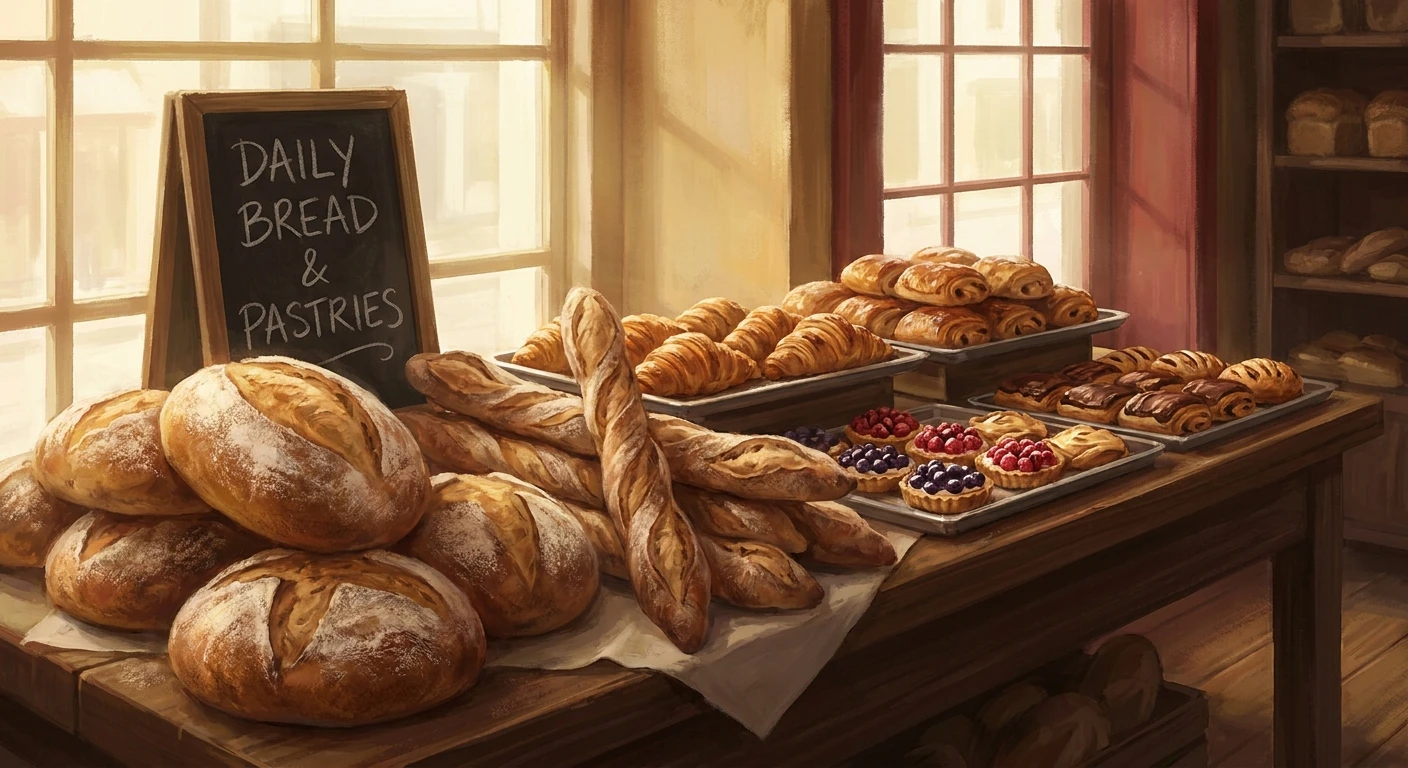
The true value proposition of an establishment like Barretts Bakery lies in its uncompromising dedication to time-honored methods over industrial shortcuts. Artisans prioritize slow fermentation, which not only enhances the depth of flavor but also breaks down complex starches, making the final product much easier to digest for many individuals. Two prime examples of this dedication are their signature rustic sourdough, which takes up to 48 hours of careful temperature management to produce, and their laminated pastries, where European butter is meticulously folded into the dough over several days to create hundreds of distinct, flaky layers.
Read also: Eveleigh Works: The Ultimate Heritage Blacksmith Guide; Macca's Breakfast Time Ultimate Guide.
When evaluating high-tier baked goods, certain visual and textural characteristics always stand out. Here is how you can identify true artisanal quality upon walking into the shop:
- The Crust Integrity: A proper loaf features a deeply colored, often blistered crust that provides a satisfying audible crackle when squeezed or sliced, protecting the moisture within.
- The Crumb Structure: Look for an irregular, open crumb with varying hole sizes, indicating active wild yeast, high hydration, and proper gluten development.
- The Aroma Profile: The scent should be profoundly complex, offering notes of toasted grain, slight acidity, and earthiness, rather than a flat, purely commercial yeast smell.
- The Weight and Density: An artisan loaf often feels substantial for its size, largely due to the high water content (hydration) and the dense, nutritious flours utilized in the mix.
Understanding these variations helps in selecting the perfect loaf for your specific culinary needs.
| Bread Type | Hydration Level | Flavor Profile & Texture |
|---|---|---|
| Classic Sourdough | High (75-85%) | Mildly tangy, chewy interior, thick blistered crust |
| French Baguette | Medium (65-70%) | Sweet wheat flavor, open crumb, thin crispy crust |
| Whole Rye (Miche) | Very High (80-90%) | Deep earthy notes, dense texture, long shelf life |
| Enriched Brioche | Low/Medium (contains butter/eggs) | Rich, sweet, buttery, incredibly soft and tender |
By prioritizing these complex methods, master bakers deliver a nutritional and sensory experience that mass-produced bread simply cannot match, turning a staple food into a genuine delicacy.
The Origins of Craft Baking
The foundation of places reminiscent of Barretts Bakery stretches back thousands of years to ancient civilizations in the Fertile Crescent. Long before the invention of commercial yeast, early bakers relied entirely on naturally occurring wild yeast and lactic acid bacteria to leaven their daily bread. This symbiotic culture, commonly known as a starter or levain, was carefully maintained and passed down through generations. The rudimentary ovens of antiquity, often built from clay, mud, or stone and heated directly with wood fires, imparted a distinct smoky characteristic to the loaves. These early methods established the baseline for all naturally leavened breads we still consume today. The process was intuitive, relying on the baker’s senses rather than precise scientific instruments to determine when the dough was ready for the hearth.
Evolution of Artisanal Methods
As European baking guilds formed during the Middle Ages, the craft became highly regulated, respected, and specialized. Master bakers began refining their techniques, developing specific regional styles based on the local climate and available grain varietals. The introduction of the steam-injected deck oven in the 19th century revolutionized the crust, allowing bakers to achieve that signature glossy, crackling exterior by delaying crust formation during the initial oven spring. However, the mid-20th century saw a dramatic shift toward rapid, mechanized production. The Chorleywood bread process, introduced in the 1960s, prioritized speed and volume, utilizing intense mechanical working of the dough and chemical additives, which unfortunately sacrificed both flavor and digestibility.
Modern State of Community Bakeries
Today, the massive resurgence of neighborhood bakeries represents a powerful rejection of ultra-processed, factory-made food. The modern artisan baker combines a deep respect for historical techniques with contemporary understandings of grain agronomy and fermentation science. There is a renewed focus on sourcing heritage and ancient grains from local, independent millers, ensuring a smaller carbon footprint and directly supporting regional agriculture. Establishments like Barretts Bakery serve as essential community hubs, proving that modern consumers are increasingly willing to invest in food that is crafted with integrity, transparency, and an unwavering commitment to outstanding quality.
The Science of Wild Yeast
At the core of the artisanal baking process is a complex, delicate microbiological ecosystem. Unlike commercial baker’s yeast (Saccharomyces cerevisiae), which is engineered entirely for rapid gas production, a natural sourdough starter contains a diverse population of wild yeasts and lactic acid bacteria (LAB). These microorganisms exist in a perfectly balanced symbiotic relationship. The yeast produces carbon dioxide to leaven the dough, creating the airy crumb. Concurrently, the LAB produces both lactic and acetic acids. These organic acids drastically lower the pH of the dough, which not only gives the bread its characteristic tangy flavor profile but also acts as a natural preservative, significantly delaying the onset of mold and staling. Furthermore, this highly acidic environment activates phytase, an essential enzyme that neutralizes phytic acid present in the wheat bran, thereby unlocking crucial minerals like iron, zinc, and magnesium for easier human absorption.
Temperature and Fermentation Control
Professional bakers expertly manipulate temperature to strictly control the speed and character of the fermentation cycle. Retardation, the process of cooling the shaped dough in a specialized refrigerator or proofing box, drastically slows down yeast activity while allowing the LAB to continue producing complex flavor compounds overnight. This precise thermal management is what separates an average loaf from an extraordinary one.
Key scientific reactions in the baking process include:
- The Maillard Reaction: A fundamental chemical reaction between amino acids and reducing sugars that occurs rapidly at high temperatures, responsible for the deep browning and complex savory, roasted flavors of the crust.
- Gelatinization of Starches: As the internal temperature of the loaf reaches approximately 60°C (140°F), the dense starches absorb ambient water and swell, completely transitioning the raw dough into a digestible, cohesive, and soft crumb structure.
- Gluten Network Coagulation: The intricate protein matrix, developed through careful mixing and folding during the bulk fermentation, solidifies during the baking process to trap expanding gases, giving the bread its final majestic volume and shape.
- Caramelization: The direct oxidation of residual sugars at high temperatures above 160°C (320°F), adding subtle sweetness, a slight bitterness, and darker, richer hues to the absolute exterior of the loaf.
A visit to a premium bakehouse can sometimes feel overwhelming due to the sheer variety of exceptional goods on display. To fully experience the wide spectrum of flavors and textures available at Barretts Bakery, consider following this highly structured 7-day tasting itinerary, designed to guide your palate through the baker’s extensive repertoire.
Day 1: The Classic Sourdough
Begin your culinary journey with the absolute foundational loaf. The classic country sourdough, featuring a robust, blistered crust and a moderately tangy, chewy interior, serves as the benchmark of any artisan bakery. It pairs perfectly with good cultured salted butter, a high-quality extra virgin olive oil, or simply enjoyed plain to appreciate the complex fermentation notes.
Day 2: Rustic Baguettes
Experience the intense precision of traditional French technique. A well-crafted artisan baguette should ideally be consumed on the exact day it is baked to enjoy the contrast between the shatteringly crisp exterior and the sweet, airy interior. Slice it lengthwise for superior sandwiches or serve it alongside a soft, ripe cheese like Brie or Camembert for a classic European lunch.
Day 3: Whole Wheat Wonders
Transition gracefully to heartier, more nutritious grains. A stone-ground whole wheat loaf offers deep, nutty flavors and exceptional nutritional value due to the inclusion of the bran and germ. Toast a thick slice and top it with aggressively smashed avocado, a squeeze of lemon, or a perfectly cooked over-easy egg for a sustaining breakfast.
Day 4: Pastry Morning
Give the savory bread a brief pause and focus your attention entirely on laminated dough. A classic butter croissant or a rich, dark chocolate pain au chocolat brilliantly showcases the baker’s immense skill in strict temperature control and delicate, repetitive rolling techniques.
Day 5: Specialty Loaves
Explore the more adventurous seasonal or specialty additions. Look specifically for distinct loaves heavily studded with toasted walnuts, dried mission figs, or savory aromatic additions like roasted garlic confit and fresh rosemary. These robust breads are often flavorful enough to be meals unto themselves.
Day 6: Sweet Treats
Indulge unapologetically in the sweeter side of the glass display case. Artisan cookies baked with browned butter, seasonal fresh fruit tarts featuring local produce, or a generous slice of dense, moist pound cake provide a perfect mid-afternoon pick-me-up when served alongside a strong, freshly brewed cup of black coffee.
Day 7: The Community Favorite
Conclude your tasting week by directly asking the bakery staff what they recommend most highly. Often, the bakers themselves have a personal favorite that might not be the loudest or most obvious item on the menu, such as a subtle earthy rye, a deeply flavored spelt loaf, or a richly olive-oiled seasonal focaccia.
The intricate world of artisanal baking is frequently surrounded by persistent dietary misconceptions and misunderstandings.
Myth: Bread is inherently bad for your overall health and directly causes immediate weight gain regardless of the type.
Reality: Naturally leavened, whole-grain artisan breads are highly nutritious staples. The incredibly slow fermentation process effectively breaks down complex carbohydrates and gluten proteins, preventing severe blood sugar spikes and significantly aiding in healthy digestion.
Myth: Authentic sourdough bread must always have an intensely sharp, overpowering sour flavor profile.
Reality: The final acidity of sourdough can be precisely controlled by the master baker through temperature and hydration management. Many artisan loaves use a mild natural leaven that contributes profound complex depth without delivering an overwhelming or off-putting sourness.
Myth: Fresh, preservative-free bakery bread goes stale far too quickly to be a practical weekly purchase for a small household.
Reality: While genuine artisan bread lacks harsh chemical preservatives, the natural acidity generated by the sourdough process acts as a potent, natural preservative. Furthermore, a proper, deeply baked thick crust seals in internal moisture. Properly stored cut-side down on a wooden board or placed in a breathable linen bag, a good rustic loaf can easily maintain its quality for several days.
What makes artisan bread different from standard supermarket bread?
Artisan bread relies strictly on high-quality raw ingredients, natural wild yeast starters, and extended long fermentation periods, deliberately skipping the harsh chemical dough conditioners and rapid industrial rise times heavily used in commercial mass-production factories.
How should I properly store my fresh loaf at home?
Keep the loaf cut-side down directly on a wooden cutting board to protect the exposed crumb, or wrap the entire bread in a breathable linen cloth. Strictly avoid sealing crisp crusts in plastic bags, which trap moisture and rapidly turn the beautiful crust unpleasantly rubbery.
Can I successfully freeze fresh artisan bread for later use?
Yes, freezing is highly effective. Slice the bread fully first, place the individual slices in an airtight, heavy-duty freezer bag, and freeze immediately. You can subsequently toast the frozen slices directly from the freezer without any noticeable loss in quality or flavor.
Are these naturally fermented breads entirely gluten-free?
Traditional sourdough and artisan wheat breads do contain active gluten, though the extended long fermentation makes it considerably more digestible for some individuals suffering from mild gluten sensitivities. However, it is absolutely not safe for those diagnosed with Celiac disease.
Why is the crust on these loaves baked so incredibly dark?
A distinctively dark crust is a highly intentional stylistic choice. It results from a full, aggressive bake that maximizes the crucial Maillard reaction, ultimately yielding vastly superior savory flavor, complex bitterness, and a structure capable of preserving the tender crumb inside.
What exactly is a baker’s percentage?
It is a universal mathematical method utilized in professional bakeshops where all formula ingredient weights are expressed strictly as a percentage of the total flour weight, allowing for seamless scaling of recipes.
Do you use any commercial baker’s yeast in the dough?
Authentic traditional sourdough relies entirely and solely on a natural wild yeast starter for leavening, though some specific hybrid doughs, like certain enriched brioches or baguettes, might responsibly use a minute pinch of commercial yeast for added stability.
The profound craftsmanship readily found at dedicated establishments like Barretts Bakery elevates the simplest agricultural ingredients into genuine culinary masterpieces. Support your local baking artisans, confidently experiment with new ancient grain profiles, and pick up a freshly baked artisan loaf today to truly taste the incredible difference for yourself!