
Everything You Need to Know About the Broadmeadows Pool
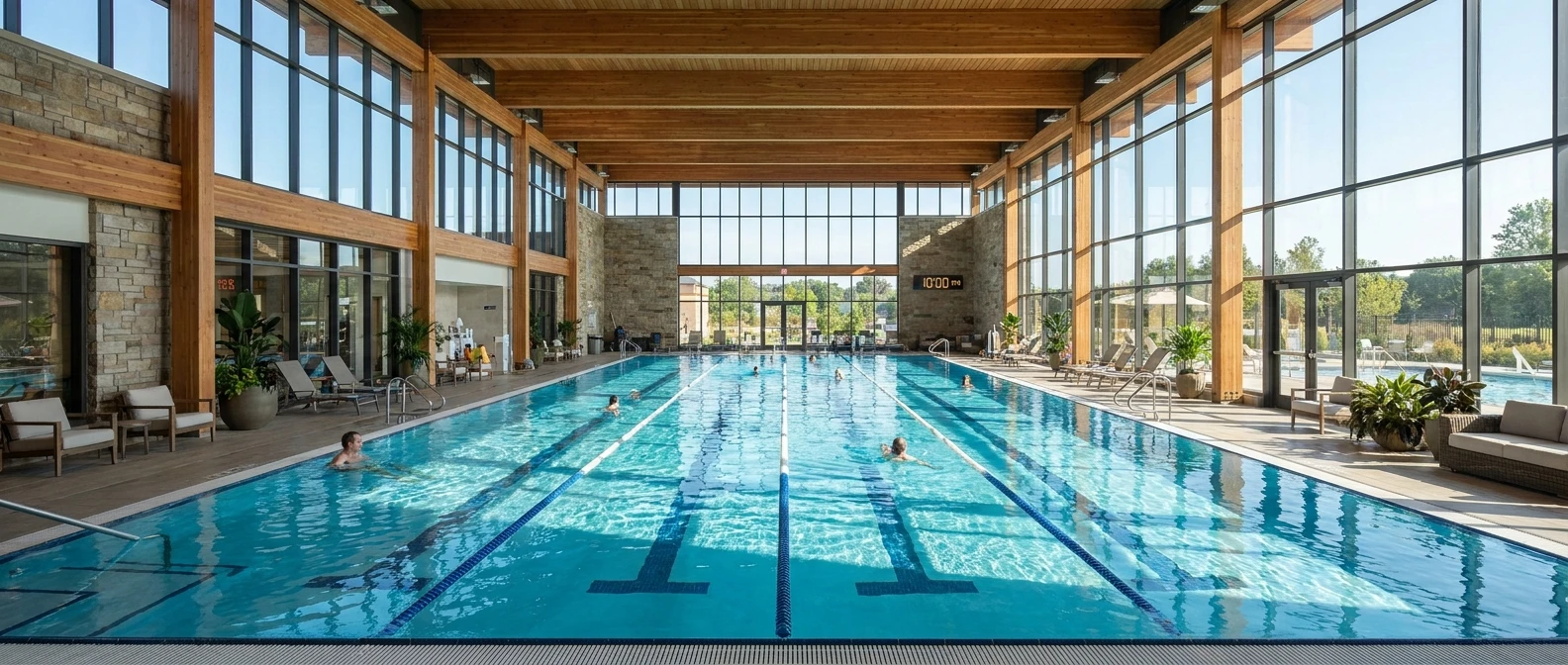
Finding a reliable, high-quality environment for fitness and recreation can sometimes feel like a daunting task, but the Broadmeadows Pool stands out as a premier destination for exactly that. Whether you are a dedicated competitive swimmer tracking lap times or a parent hoping to get your toddler comfortable in the water, this aquatic hub caters to all needs with top-tier amenities. Aquatic centers function as the beating heart of local communities, offering a space where health, wellness, and social interaction seamlessly intersect.
The facility provides an impressive array of services tailored to diverse demographics, proving that a municipal aquatic center can rival private health clubs. You get the benefit of expertly maintained water quality, spacious lanes, and dedicated zones for different types of aquatic therapy. Swimming remains one of the most effective, low-impact cardiovascular exercises available, making consistent access to a facility like this incredibly valuable. Through strategic scheduling and a commitment to public health, the center ensures that everyone, regardless of their current fitness level, has a place to pursue their wellness goals safely and comfortably.
Read also: The Ultimate Guide to Pistachio Papi for Better Skin; Discover the Damion Flower for Wellness.
Core Benefits and Amenities
Understanding exactly what an aquatic center offers helps you plan your fitness routine effectively. The layout and amenities here are designed to serve multiple functions simultaneously without causing friction between different user groups. Competitive athletes need uninterrupted space, while families require safety and engagement. By separating the environment into distinct zones, the facility maximizes utility and comfort for everyone.
A major part of the value proposition comes from its sheer versatility. First, the complex supports high-level endurance training through its main lap lanes, ensuring that local athletes have a reliable training ground. Second, it fosters community well-being by offering targeted rehabilitation and low-impact exercise options for seniors and individuals recovering from injuries. You are not just paying for a place to swim; you are gaining access to a comprehensive wellness environment.
| Amenity Area | Target Audience | Primary Benefit |
|---|---|---|
| 50m Lap Pool | Fitness Enthusiasts & Athletes | Stroke refinement and high-intensity endurance training |
| Warm Water Program Pool | Rehabilitation Patients & Seniors | Muscle relaxation and low-impact joint mobility |
| Leisure & Toddler Area | Young Families | Safe water introduction and recreational play |
To truly get the most out of your visits, you need a bit of strategy. Simply showing up is a good start, but a structured approach yields better results.
- Check the lane availability schedules online before arriving to avoid peak squad training times and secure a dedicated space for your workout.
- Incorporate variety by participating in group aqua aerobics classes, which provide excellent cardiovascular benefits while keeping your joints protected.
- Utilize the hydrotherapy and warm water sections for an active recovery session after a strenuous gym workout or a long week at work.
The Origins of the Community Facility
The history of municipal swimming centers in suburban areas reflects broader changes in urban planning and public health initiatives. Decades ago, the concept of a local pool was relatively rudimentary. Early public baths were often unheated, outdoor concrete structures designed strictly for brief summer relief rather than year-round fitness. The initial iterations of community pools in the region focused heavily on basic water safety, responding to a growing need to teach children how to swim in a controlled environment. These early foundations established the location as a central gathering point during the hotter months.
Evolution of Aquatic Recreation in the Area
As suburban populations expanded rapidly throughout the late 20th century, the demand for more sophisticated recreational infrastructure grew alongside them. The seasonal limitations of outdoor pools became apparent. Communities wanted access to aquatic fitness regardless of the weather. This demand sparked significant investments and architectural shifts. Local councils began enclosing existing structures or building entirely new indoor complexes. The transition marked a major turning point: the facility evolved from a simple summer swimming hole into a multi-purpose leisure and fitness center. Heating systems were introduced, allowing for year-round training programs, school swimming carnivals, and consistent community access.
The Modern State of the Complex
Today, the Broadmeadows Pool operates as a state-of-the-art facility that reflects modern health and wellness standards. It is no longer just a place with water; it is a meticulously managed environment. Contemporary upgrades have introduced accessible ramps for individuals with mobility challenges, modernized change rooms, and integrated fitness centers that complement the aquatic offerings. The shift toward holistic wellness means that the modern complex focuses just as much on preventative health, mental well-being, and community inclusivity as it does on traditional swimming.
Advanced Water Filtration Technology
Maintaining crystal-clear, safe water in a high-traffic municipal facility requires complex chemical engineering and advanced filtration technology. Gone are the days of simply dumping chlorine into a basin. Modern aquatic centers rely on sophisticated, multi-stage water treatment protocols to ensure public safety while minimizing chemical irritation.
At the heart of the system is the continuous circulation network. Massive industrial pumps ensure that the entire volume of water is turned over, filtered, and chemically balanced multiple times a day. Automated sensors constantly monitor pH levels and chemical distribution. When the pH drops or spikes, the system automatically injects the precise amount of corrective chemicals needed to maintain perfect equilibrium. Additionally, secondary sanitation methods like Ultraviolet (UV) light and ozone generators are frequently employed. These technologies break down chloramines—the compounds responsible for the strong “pool smell” and red, irritated eyes—resulting in a significantly more comfortable swimming experience.
Hydrotherapy and Thermal Dynamics
Temperature control is another critical scientific component of facility management. Different bodies of water require distinct thermal properties to serve their intended purposes safely and effectively.
- Main Lap Pools: Maintained at approximately 27°C (80°F). This cooler temperature prevents competitive swimmers from overheating during intense cardiovascular exertion and allows for efficient thermal regulation.
- Warm Water Program Pools: Kept significantly warmer, typically around 34°C (93°F). The elevated temperature promotes vasodilation, increasing blood flow to muscles and joints, which is crucial for arthritis relief and physical rehabilitation.
- Leisure Pools: Usually balanced around 30°C (86°F), providing a comfortable middle ground that prevents young children from getting chilled while they play.
- Air Handling Systems: Advanced HVAC systems maintain ambient air temperatures slightly above the water temperature to minimize evaporation rates and reduce the chilling effect when swimmers exit the water.
Day 1: Baseline Assessment and Gentle Laps
Starting a new routine requires easing your body into the mechanics of swimming. On your first day, focus entirely on your baseline endurance. Swim at a slow, comfortable pace using whichever stroke feels most natural. Aim for 20 to 30 minutes of continuous movement. Do not worry about speed or distance; the goal is simply to acclimate your respiratory system to the rhythm of breathing in the water and to gauge how your shoulders and core respond to the resistance.
Day 2: High-Intensity Aqua Aerobics
Give your shoulders a break from repetitive stroke mechanics by engaging in vertical water workouts. Aqua aerobics utilizes the natural resistance of the water to challenge your cardiovascular system without impact stress on your knees and ankles. Join a scheduled group class if available, or independently perform water jogging, high knees, and submerged jumping jacks for 45 minutes to elevate your heart rate.
Day 3: Recovery in the Warm Water Pool
Active recovery is essential for long-term fitness progression. Dedicate this day to the warm water program pool. Spend 30 minutes performing gentle dynamic stretches, walking laps in the shallower sections, and allowing the elevated temperature to soothe any delayed onset muscle soreness from the previous days. This practice enhances blood circulation and accelerates muscle repair.
Day 4: Stroke Correction Drill Session
Now that you are comfortable, dedicate a session to technique. Poor form leads to premature fatigue and potential injury. Break your workout into sets of drills. Focus on unilateral breathing, high-elbow catches, and maintaining a streamlined body position. Consider using equipment like kickboards and pull buoys to isolate your upper and lower body, allowing you to refine specific mechanics of your freestyle stroke.
Day 5: Endurance Building and Breath Control
Push your cardiovascular limits by structuring an endurance set. Attempt to swim a set distance, such as 400 or 800 meters, with minimal rest at the walls. Incorporate breath-control exercises, such as breathing every three strokes, then every five strokes, to expand your lung capacity. This session should feel challenging and leave you with a deep sense of cardiovascular fatigue.
Day 6: Cross-Training and Resistance Work
Utilize the water for resistance training. Bring webbed aqua gloves or foam dumbbells. Stand in chest-deep water and perform chest presses, lateral raises, and core twists. The water provides omnidirectional resistance, meaning your muscles are engaged both during the push and the pull phases of every movement, creating a highly balanced muscular workout.
Day 7: Leisure, Stretching, and Family Time
Cap off your week with an unstructured, purely enjoyable visit. If you have a family, spend time in the toddler or leisure pools playing games. If you are solo, do a few extremely slow, meditative laps followed by static stretching at the edge of the pool. Celebrate the completion of your aquatic fitness week and prepare your body for the next cycle.
Myths and Realities of Aquatic Centers
Myth: The water is much too cold to enjoy during the winter months.
Reality: Modern indoor complexes utilize high-efficiency climate control and commercial heating systems to keep the water and ambient air comfortably warm year-round, regardless of outside weather conditions.
Myth: Heavy chlorine use inevitably causes severe skin and hair damage.
Reality: While older pools relied heavily on harsh chemicals, contemporary facilities use UV and ozone purification alongside precise automated dosing, making the water significantly gentler on your skin and hair.
Myth: The lap lanes are exclusively reserved for elite, professional athletes.
Reality: Lanes are clearly marked for slow, medium, and fast paces, ensuring that beginners and casual swimmers have a designated, stress-free space to exercise without pressure.
Myth: Aquatic centers offer nothing but swimming pools.
Reality: Most modern facilities function as comprehensive wellness hubs, often featuring adjacent gymnasiums, dry-land fitness classes, cafes, and specialized hydrotherapy zones.
Is parking available on site?
Yes, the facility features a large dedicated parking lot for patrons, including designated accessible spaces near the main entrance for ease of entry.
Are there swimming lessons for adults?
Absolutely. The center runs specialized adult learn-to-swim programs that cater to absolute beginners as well as those looking for advanced stroke correction.
Do I need a membership to enter?
No, casual entry passes are available for single visits, though purchasing a multi-visit pass or a membership provides significant financial savings for regular users.
Are the pools heated year-round?
Yes, the indoor pools are climate-controlled and heated consistently 365 days a year to maintain optimal temperatures for both fitness and leisure.
Are lockers provided for valuables?
Secure, coin-operated and electronic lockers are conveniently located in the changing rooms and on the pool deck to keep your personal items safe.
Can I book a lane for private use?
While exclusive private bookings for single lanes are generally reserved for clubs and schools, public lanes are always kept open for general community lap swimming.
Is the facility wheelchair accessible?
The entire complex is designed with accessibility in mind, featuring ramp entries into the water, aquatic wheelchairs, and fully equipped accessible changing facilities.
Whether you are pursuing a rigorous training regimen, seeking therapeutic relief, or simply looking for a fun weekend activity, the Broadmeadows Pool delivers a comprehensive aquatic experience. By understanding the science behind the water, taking advantage of the diverse amenities, and following a structured plan, you can elevate your physical and mental well-being. Grab your towel, pack your swim gear, and start making the most of this exceptional community resource today!