
Understanding the Reality of neo nazi australia
When my buddy from Sydney messaged me about recent news reports concerning a neo nazi australia presence growing in the suburbs, I honestly thought he was exaggerating. Living in Ukraine, we know firsthand the devastating cost of extremism, conflict, and the absolute necessity of national unity. So, hearing about radical fringe groups popping up in a generally sunny, laid-back country like Australia felt completely jarring to me. But here we are, and it is a conversation we absolutely need to have without any sugarcoating.
Extremism isn’t just a localized problem anymore; it is a global, borderless virus that spreads through digital networks, preying on people looking for a sense of belonging. The thesis here is simple: modern radicalization is a digital-first threat exploiting isolated youth, not just a bunch of street-level thugs trying to look tough. We are going to talk about how these fringe elements operate, why they target the people they do, and most importantly, how communities are pushing back effectively. Grab a coffee, because we are unpacking the mechanics of this issue step by step, keeping it factual and straightforward.
How Communities Push Back Against Radical Groups
To really grasp the situation, you have to look at how these groups have shifted their entire operational model. Gone are the days when recruitment meant handing out poorly photocopied flyers in dark alleys. Today, the focus is heavily skewed toward digital ecosystems. They prey on loneliness. A kid gets isolated, spends too much time on unmoderated forums, and suddenly finds a group of people who are bombarding them with validation, wrapped in hateful ideology.
Here is a breakdown of how the tactics have evolved over the decades, which is critical for understanding the threat landscape in 2026:
| Era | Primary Communication Method | Core Target Audience |
|---|---|---|
| 1980s – 1990s | Underground zines, music scenes, physical meetups | Disenfranchised young adults and skinhead subcultures |
| 2000s – 2010s | Mainstream social media platforms, early message boards | Politically curious youth seeking “edgy” counter-culture |
| 2020s – 2026 | Encrypted messaging apps, gaming voice chats, alt-tech | Isolated teenagers, often those lacking strong offline mentors |
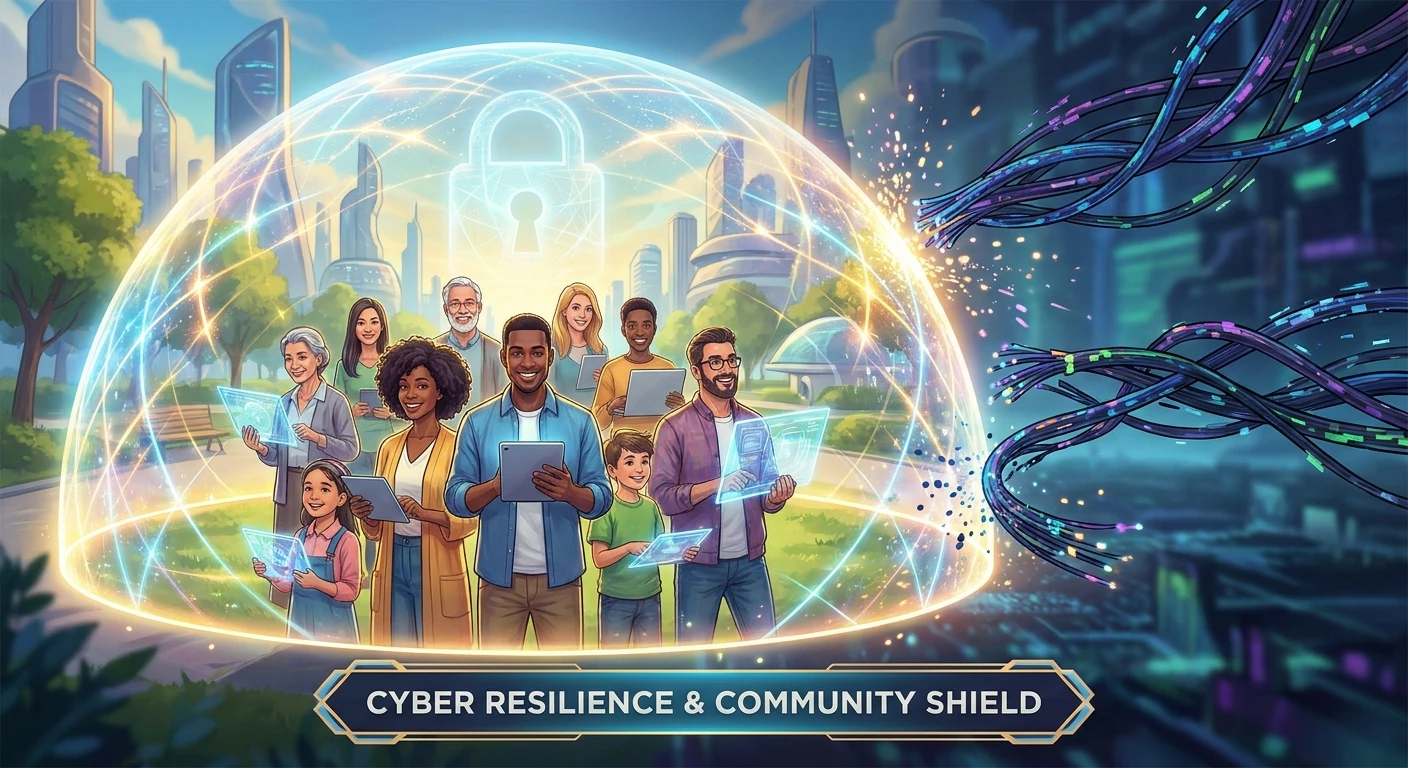
The core benefit of understanding this shift is that parents, educators, and friends can actually intervene before things get bad. When you know the playbook, you can disrupt the game. For example, local governments in Victoria and New South Wales recently implemented strict laws banning hate symbols, which severely handicapped the ability of these groups to pull public PR stunts. Furthermore, community centers have launched massive digital literacy campaigns. Here are the main ways communities are successfully fighting back:
- Educational Workshops: Schools are actively teaching teenagers how to spot manipulative algorithms and recognize when someone is trying to isolate them from their real-world friends.
- Digital Literacy Programs: Giving parents the tools to understand encrypted apps and recognize the subtle “dog whistles” used in online gaming chats.
- Strict Legislative Action: Governments stepping in to criminalize the public display of hate symbols, making it much harder for extremists to market themselves in broad daylight.
The Obscure Origins
If you look back, the roots of far-right extremism down under were historically highly fragmented. For decades, it was mostly just a collection of tiny, unorganized groups that fought more among themselves than with anyone else. They were universally mocked and rejected by mainstream society. Australians, generally known for a culture of mateship and a fair go, had absolutely zero tolerance for imported European hatred. These early groups relied on trying to infiltrate underground music scenes or handing out physical literature, but they remained a spectacular failure in gaining any real traction.
Digital Evolution in the 2010s
Things shifted drastically when the internet matured. Suddenly, geographical isolation didn’t matter. A recruiter sitting in Europe or the United States could directly message a vulnerable teenager in Melbourne or Brisbane. The 2010s saw the rise of globalized echo chambers. Extremists stopped looking like stereotypical thugs and started hiding behind anime avatars and meme pages. They gamified hate. They realized that if they packaged their ideology as “edgy humor,” they could bypass the critical thinking filters of young, impressionable internet users.
The Modern State of Extremism
Right now, in 2026, the situation is a game of digital whack-a-mole. While public-facing activities have been heavily suppressed by incredibly strict laws across almost all Australian states, the core issue has moved entirely into the shadows of encrypted messaging apps. The groups are small, but they are loud and obsessed with optics. They try to stage quick flash-mobs, snap a few photos, and run away before the police arrive, purely to post the pictures online and pretend they have a massive following. It is an illusion of scale, designed specifically to trick lonely kids into thinking they are joining a massive movement.
The Mechanics of Algorithmic Radicalization
Let’s talk about the actual science and technology behind how someone gets pulled into these circles. It is not an overnight process; it is a slow, methodical manipulation of human psychology.
Algorithmic Amplification
Algorithms on poorly regulated platforms are designed to maximize engagement. Anger and outrage are the most engaging human emotions. If a user clicks on a slightly controversial video, the algorithm immediately feeds them something slightly more extreme to keep their attention. Extremist recruiters know exactly how to manipulate these recommendation engines. They use specific tags and seemingly harmless questions to drag users down a rabbit hole. Before the user knows it, their entire feed is an echo chamber that actively filters out moderate, rational voices.
The Psychology of Belonging
From a sociological standpoint, humans are hardwired to seek a tribe. If a teenager feels bullied, ignored, or academically stressed, their brain is literally starving for validation. Extremists weaponize this vulnerability. They offer “love bombing”—a psychological tactic where they shower the target with praise, brotherhood, and a sense of absolute purpose. Once the target feels dependent on the group for their emotional stability, the recruiters slowly introduce the hateful ideology.
- Echo Chambers: Closed network environments where dissenting opinions are immediately banned, creating a false consensus.
- Gamification: Assigning ranks, points, or prestige to members who post extremist content or recruit others, making hate feel like a video game.
- Parasocial Grooming: Charismatic online influencers building one-sided emotional bonds with their audience to slowly normalize radical views.
- Gradual Desensitization: Starting with mild, edgy jokes and slowly escalating to blatant hate speech so the shift feels natural to the victim.
7-Step Guide to Preventing Radicalization
Knowing the problem is only half the battle. We need actionable solutions. If you are a parent, an older sibling, or just a concerned friend, here is a practical, step-by-step roadmap to building resilience against digital extremism.
Step 1: Monitor Digital Footprints
You don’t need to be a spy, but you must be aware of the platforms being used. Pay attention if someone suddenly abandons mainstream social media for highly obscure, unmoderated alternative apps. Sudden secrecy around digital devices is often the very first red flag.
Step 2: Foster Open Conversations
Never start a conversation with an accusation. If you hear someone repeating a weird talking point they saw online, ask them calmly where they heard it and what they think it means. Keeping the lines of communication open prevents the person from feeling defensive and retreating further into their echo chamber.
Step 3: Teach Media Literacy
Show teenagers how algorithms actually work. Knowledge is power. When young people realize that their feeds are artificially manipulated to make them angry and keep them scrolling, they often become much more critical of the content they consume.
Step 4: Encourage Positive Offline Hobbies
The antidote to online isolation is real-world connection. Sports, music, art classes, or local volunteering break the cycle of digital dependency. When someone has a strong, supportive physical community, online recruiters have absolutely zero leverage over them.
Step 5: Identify Dog Whistles
Educate yourself on the subtle symbols, numeric codes, and inside jokes used by extremists. They rarely use blatant language initially; they use coded language to test the waters. Knowing these codes helps you spot the influence early.
Step 6: Report Harmful Content
Do not just scroll past extremist content. Use platform reporting tools, and if you see localized threats, report them to the relevant cyber-safety authorities. Communities keep themselves safe by actively policing their digital neighborhoods.
Step 7: Seek Professional Support
If you realize someone is already deeply embedded in a radical group, do not try to fix it entirely on your own. Reach out to local counseling services or organizations specifically trained in deradicalization. They have the psychological tools necessary to safely extract individuals from these cult-like environments.
Separating Myth from Reality
There is a lot of misinformation out there about this topic, mostly because sensationalized media loves a scary headline. Let’s clear up some common misconceptions.
Myth: These fringe groups represent a massive, silent portion of the population waiting to rise up.
Reality: They are a statistically tiny, highly marginalized fringe group. They rely entirely on camera tricks and flash-mobs to look bigger than they are.
Myth: Radicalization only happens in impoverished or uneducated neighborhoods.
Reality: Digital radicalization completely bypasses socioeconomic boundaries. Many targets are actually middle-class, suburban youth who simply have too much unsupervised screen time.
Myth: Banning extremist symbols completely fixes the problem overnight.
Reality: While legislative bans are highly effective at stopping public recruitment and intimidation, tackling the psychological root causes of isolation is the only permanent, long-term fix.
Frequently Asked Questions
What is the main age group targeted?
Recruiters predominantly target youth and young adults between the ages of 14 and 25.
Are these extremist groups illegal?
Yes, many specific factions have been officially designated as terrorist organizations by the government, making membership a severe crime.
How does gaming fit into this?
Recruiters frequently use the unmoderated voice chats of popular multiplayer online games to casually drop propaganda and scout vulnerable players.
Can a radicalized person change?
Absolutely. Deradicalization programs have high success rates when the individual is removed from the toxic environment and given proper psychological support.
Who do I contact if I am concerned?
You can reach out to local law enforcement, school counselors, or dedicated national hotlines designed for countering violent extremism.
Are hate symbols banned in Australia?
Yes, virtually all states and territories have passed strict legislation banning the public display of extremist and hate symbols.
Is the country safe for travelers and immigrants?
It is perfectly safe. These extremist elements are universally despised by the general public, and the overall society remains highly multicultural and welcoming.
Wrapping It Up
Navigating the complex digital landscape of the modern era requires vigilance, empathy, and a solid understanding of how manipulative networks operate. The threat of fringe extremism is real, but it is also highly preventable when communities stay educated and engaged. Check on your friends, talk to your kids about what they see online, and build strong offline connections. If you found this breakdown helpful, share it with parents, educators, and community leaders so we can all stay one step ahead of the algorithms.